Introduction
Kenya and Tanzania are two of Africa’s most famous safari destinations. Both countries offer spectacular wildlife, dramatic landscapes, diverse cultures and access to the famous East African ecosystem. Choosing between a Kenya safari and a Tanzania safari can therefore be difficult, especially for first-time visitors.
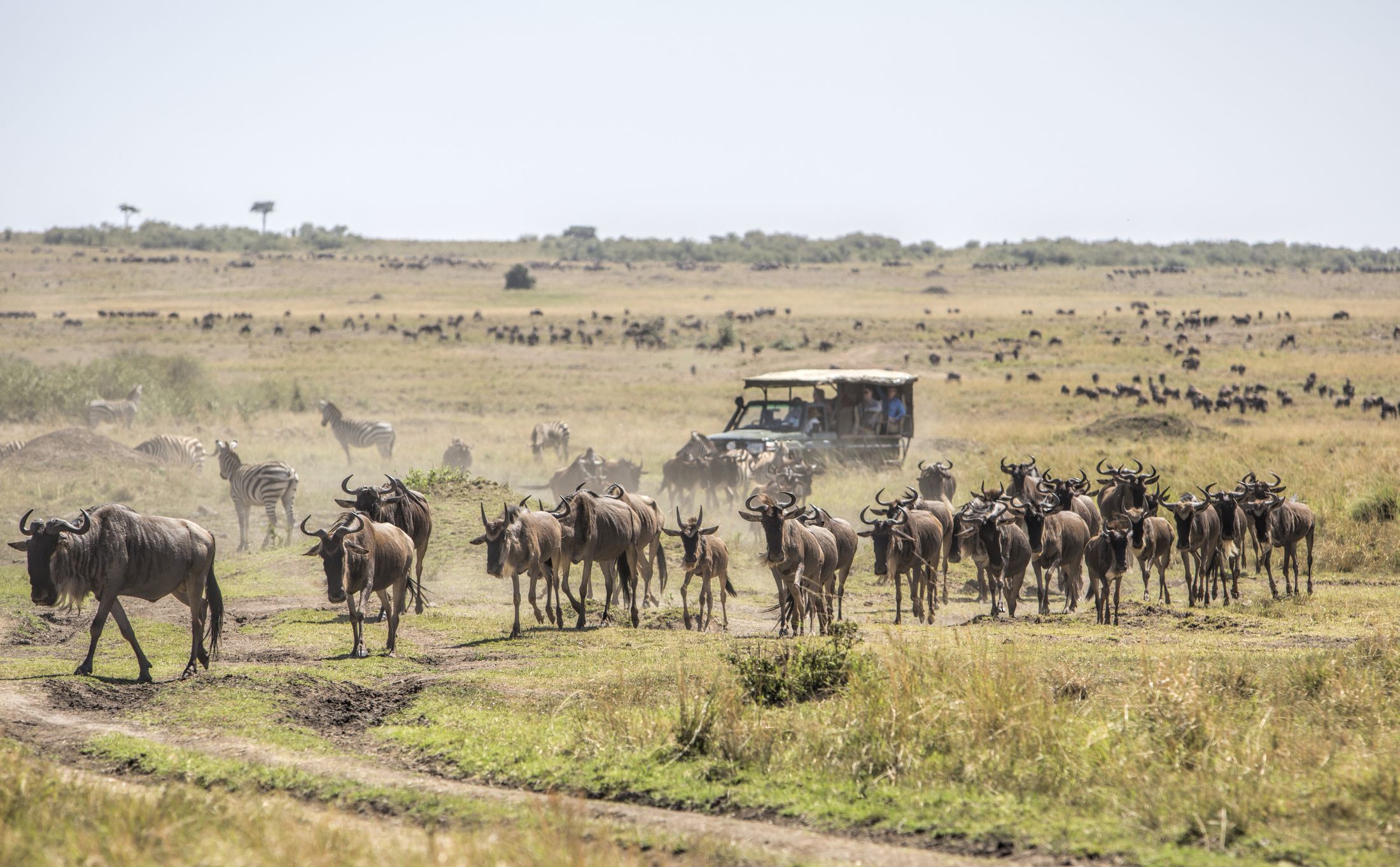
The good news is that there is no need to think of the two destinations as completely separate safari worlds. The Masai Mara–Serengeti ecosystem crosses the Kenya-Tanzania border, and the annual wildebeest migration moves through both countries. UNESCO describes the migration as a roughly 1,000-kilometre annual circular movement involving more than one million wildebeest together with large numbers of other ungulates.
The two destinations nevertheless offer different safari experiences.
Kenya is particularly well known for the Masai Mara, Amboseli, Tsavo, Lake Nakuru and other diverse wildlife destinations, while Tanzania’s northern safari circuit is built around destinations such as the Serengeti, Ngorongoro Crater and Tarangire. The Tanzania Tourist Board identifies Serengeti, Ngorongoro and Tarangire as major components of its Northern Tanzania safari circuit.
This guide compares Kenya vs Tanzania safaris across wildlife, landscapes, the Great Migration, safari costs, accommodation, accessibility, beaches and other important factors.
1. Kenya Safari: What Makes It Special?
Kenya has one of Africa’s best-known safari profiles. Its tourism offering extends beyond one national park, with wildlife destinations ranging from the Masai Mara and Amboseli to Lake Nakuru, Tsavo and Samburu.
Kenya’s official tourism platform highlights destinations such as the Masai Mara, Nairobi, Aberdares and other regions as part of the country’s tourism offering.
Kenya is particularly attractive to travelers who want to combine several different environments within one holiday.
For example, a safari can combine:
- Nairobi
- Masai Mara
- Lake Nakuru
- Lake Naivasha
- Amboseli
- Tsavo
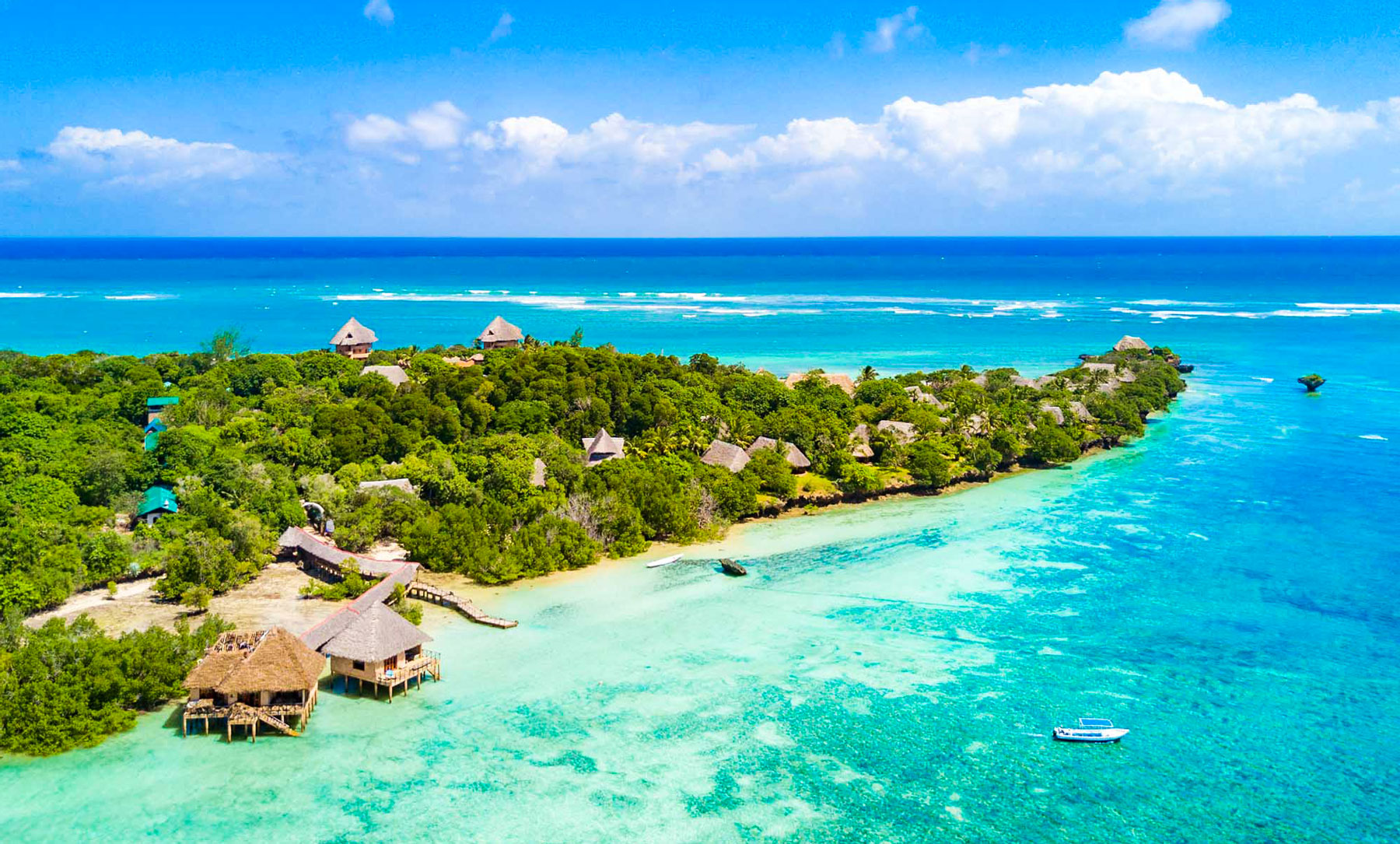
- Diani Beach
This creates an itinerary combining wildlife, landscapes, adventure, culture and the Indian Ocean coast.
Masai Mara National Reserve
The Masai Mara is arguably Kenya’s most internationally recognized safari destination.
It forms part of the larger Serengeti-Mara ecosystem, which extends across Kenya and Tanzania. Kenya Wildlife Service documentation describes the wider Mara ecosystem as approximately 30,953 km² and identifies it as an important wildlife and tourism area.
The Masai Mara is particularly associated with:
- Lions
- Leopards
- Cheetahs
- Elephants
- Buffaloes
- Giraffes
- Zebras
- Wildebeest
- Hippos
- Crocodiles
- Numerous bird species
The reserve and surrounding conservancies also provide opportunities for different types of safari experiences, including game drives and cultural experiences.
The Great Migration in Kenya
The migration is one of the biggest reasons travelers consider Kenya.
During part of the annual migration cycle, large numbers of wildebeest and other grazing animals move into the Mara ecosystem from the Serengeti. The exact timing and location of animals are naturally influenced by rainfall, food availability and ecological conditions, so migration dates should never be treated as completely fixed.
This is important when planning a Kenya safari during the Great Migration.
2. Tanzania Safari: What Makes It Special?
Tanzania offers an enormous variety of wildlife and landscapes. Its northern safari circuit is particularly famous internationally.
The country’s tourism board highlights destinations including:
- Serengeti National Park
- Ngorongoro Conservation Area
- Tarangire National Park
- Lake Manyara
- Kilimanjaro
- Zanzibar
- Mafia Island
- Ruaha
- Nyerere National Park
The Tanzania Tourist Board describes the Northern Circuit around Serengeti, Ngorongoro and Tarangire as a signature safari experience.
Serengeti National Park
The Serengeti is one of the world’s most famous wildlife destinations.
UNESCO recognizes Serengeti National Park for its outstanding ecological and wildlife importance. The park covers approximately 1.5 million hectares of savannah, while the broader Serengeti-Mara ecosystem extends across the Tanzania-Kenya border.
The Serengeti is known for:
- Vast open grasslands
- Wildebeest
- Zebra
- Lions
- Leopards
- Cheetahs
- Elephants
- Giraffes
- Buffaloes
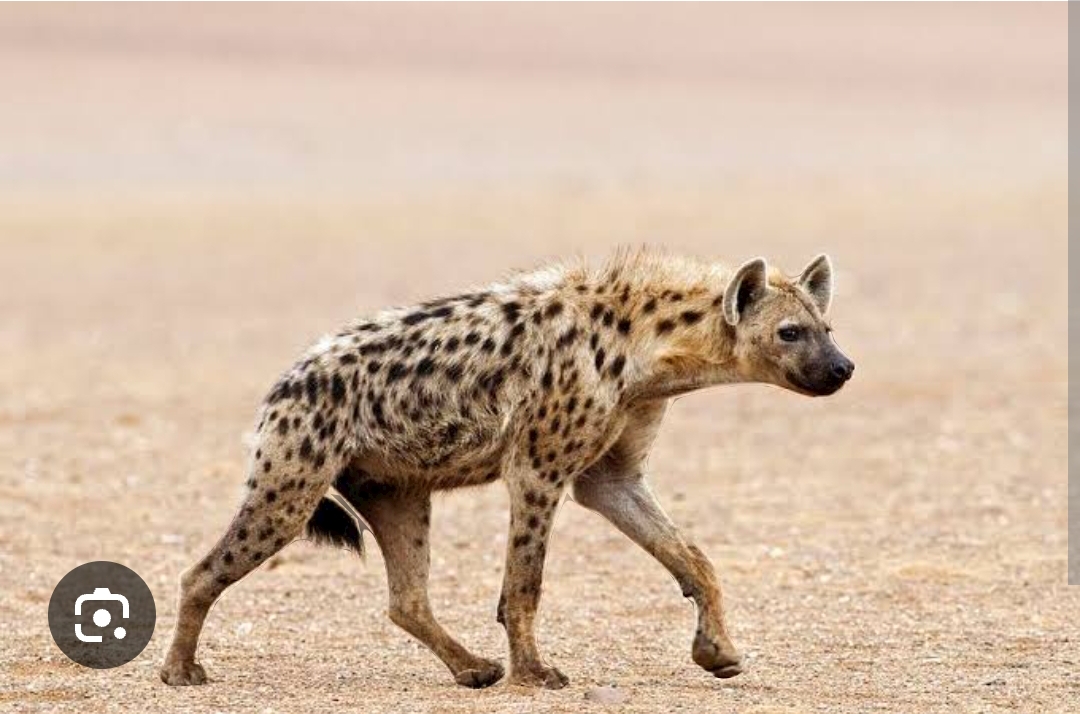
- Hyenas
- Large concentrations of migratory wildlife
The enormous size of the ecosystem means that the experience can vary significantly depending on the area and time of year.
Ngorongoro Crater
One of the major differences when comparing Kenya vs Tanzania safaris is the availability of the Ngorongoro Crater experience.
The Ngorongoro Conservation Area is a UNESCO World Heritage Site and covers approximately 809,440 hectares. It includes the famous Ngorongoro Crater, described by UNESCO as the world’s largest caldera.
A safari in the crater provides a distinctive experience because wildlife can be viewed within the crater’s enclosed ecosystem.
The destination is associated with:
- Lions
- Elephants
- Buffaloes
- Zebras
- Wildebeest
- Hippos
- Flamingos and other birds
- Black rhinoceros
For travelers who want to combine the Serengeti with another major wildlife attraction, Ngorongoro can be an important part of a Tanzania itinerary.
3. Masai Mara vs Serengeti
One of the most common questions travelers ask is:
“Should I visit Masai Mara or Serengeti?”
Both are exceptional wildlife destinations, but their experiences are not identical.
The Masai Mara is relatively compact compared with the wider Serengeti ecosystem. This can make it possible to experience substantial wildlife viewing within a shorter safari.
The Mara is especially famous for:
- Big cats
- Wildebeest migration
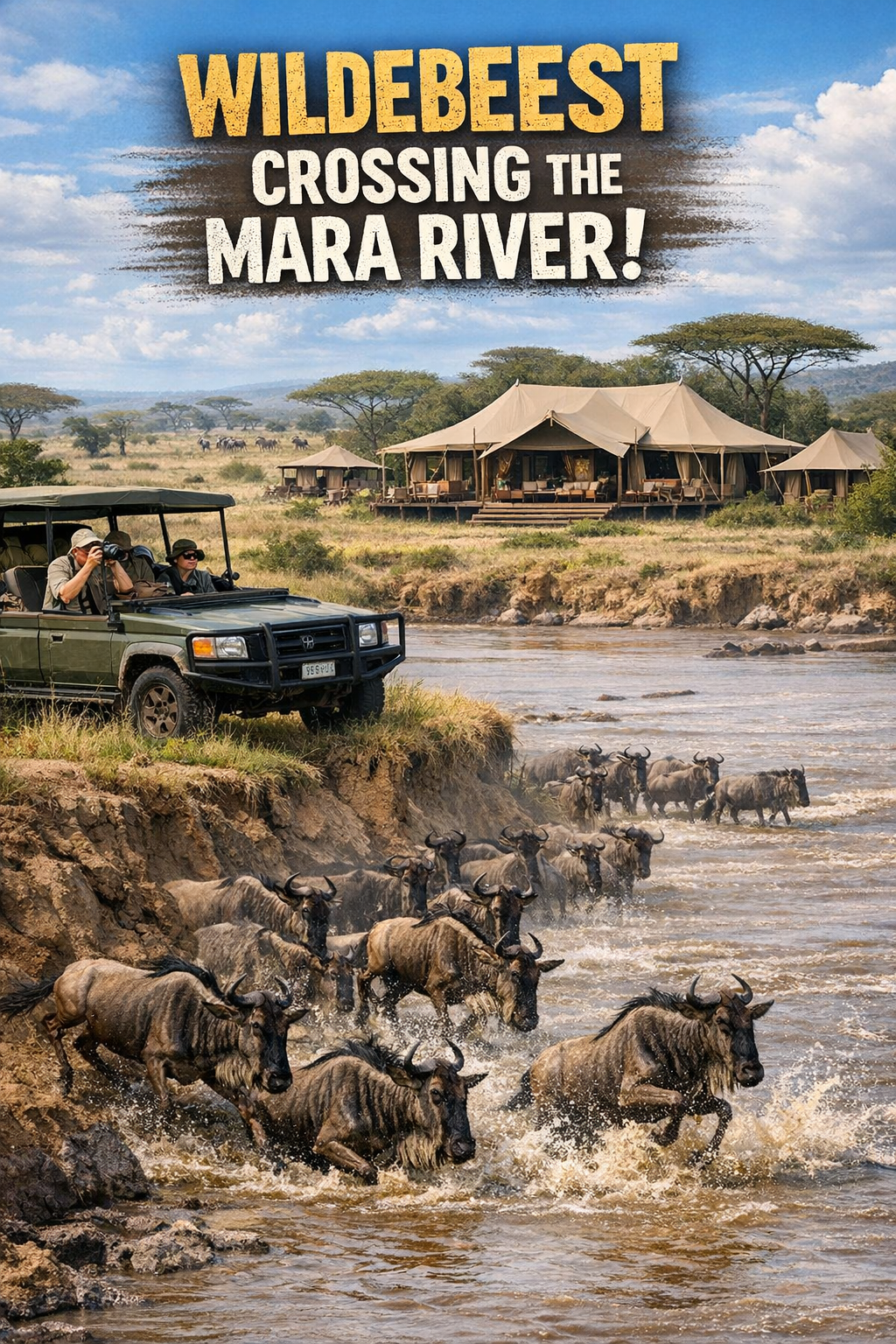
- Dramatic river crossings during suitable migration conditions
- Open savannah
- Maasai cultural experiences
- Conservancy-based safari experiences
The Serengeti is much larger and forms the Tanzanian heart of the wider migration ecosystem.
It is particularly known for:
- Vast open plains
- Large wildlife populations
- Predator activity
- Wildebeest migration
- Different wildlife regions throughout the year
- Combination with Ngorongoro and Tarangire
The migration itself is not a “Kenya event” or a “Tanzania event.” It is an ecosystem-wide phenomenon spanning both countries.
4. Great Migration: Kenya or Tanzania?
The Great Wildebeest Migration is one of the strongest reasons visitors choose East Africa.
Rather than occurring in one location at one fixed time, the migration is a continuous ecological cycle.
Generally:
- Large herds spend significant periods in the Serengeti ecosystem.
- The animals move according to rainfall and grazing conditions.
- The northern movement eventually brings large numbers into the Masai Mara ecosystem.
- The herds subsequently move back into Tanzania.
Because weather patterns vary from year to year, there is no guarantee that a particular river crossing will occur on a particular date.
Migration in Tanzania
The Serengeti provides an enormous area through which the migrating herds move.
Visitors can experience:
- Large herds of wildebeest
- Zebra
- Predators
- Calving areas during the appropriate season
- Open plains
- Predator-prey interactions
Migration in Kenya
The Masai Mara provides the famous northern section of the migration.
Some travelers specifically plan their trip around potential:
- Mara River crossings
- Large wildebeest concentrations
- Predator activity
- Photographic opportunities
However, river crossings are unpredictable natural events and should not be guaranteed by a responsible safari operator.
5. Kenya vs Tanzania for Wildlife
Both countries offer excellent opportunities to see Africa’s famous wildlife.
Kenya
Kenya provides a broad range of wildlife destinations.
For example:
- Masai Mara: Big cats and migration
- Amboseli: Elephants and Mount Kilimanjaro scenery
- Lake Nakuru: Rhino, birdlife and Rift Valley scenery
- Tsavo: Large landscapes, elephants and diverse wildlife
- Samburu: Northern Kenya wildlife and distinctive landscapes
Kenya Wildlife Service lists wildlife viewing opportunities across many protected areas, including Amboseli, Lake Nakuru, Tsavo, Nairobi National Park and Aberdare.
Tanzania
Tanzania’s northern circuit offers:
- Serengeti: Migration, predators and expansive plains
- Ngorongoro: High-density wildlife within the crater
- Tarangire: Elephants and baobab landscapes
- Lake Manyara: Diverse habitats and birdlife
The Tanzania Tourist Board specifically highlights elephant herds and baobab landscapes in Tarangire, along with Serengeti wildlife and the Ngorongoro Crater.
6. Kenya vs Tanzania for Elephant Safaris
Both countries provide excellent elephant viewing.
In Kenya, Amboseli National Park is especially famous for elephants and its spectacular views of Mount Kilimanjaro. Kenya Wildlife Service describes Amboseli as a major destination for close encounters with large elephant herds.
Tanzania’s Tarangire National Park is another important elephant destination, particularly within a northern Tanzania itinerary. The Tanzania Tourist Board highlights Tarangire’s elephant herds and baobab landscapes.
7. Landscapes: Kenya vs Tanzania
The scenery is different enough that travelers may choose based on landscapes as much as wildlife.
Kenya landscapes include:
- Savannah
- Rift Valley
- Mount Kenya
- Mount Kilimanjaro views from Amboseli
- Lakes
- Forests
- Semi-arid northern landscapes
- Indian Ocean beaches
Tanzania landscapes include:
- Serengeti plains
- Ngorongoro highlands
- Kilimanjaro
- Tarangire’s baobabs
- Rift Valley scenery
- Tropical coastline
- Zanzibar’s beaches
- Southern Tanzania wilderness
Tanzania also has major mountain and beach attractions, including Kilimanjaro and Zanzibar. The Tanzania Tourist Board identifies both among the country’s major tourism assets.
8. Kenya vs Tanzania Safari Cost
Safari prices vary considerably in both countries.
The final price can depend on:
- Travel season
- Number of travelers
- Number of safari days
- Accommodation category
- Private or shared safari
- Park fees
- Vehicle type
- Domestic flights
- Airport transfers
- Guide services
- Meal arrangements
- Number of parks visited
- Accommodation location
Therefore, it is difficult to state that one country is universally cheaper than the other.
Budget Safaris
Budget safaris generally use:
- Basic camps
- Budget lodges
- Shared safari vehicles
- Road transfers
- Shorter itineraries
Kenya has a well-developed range of budget safari options, particularly around destinations such as Masai Mara and Lake Nakuru.
Tanzania also offers budget camping safaris, particularly around the northern circuit.
Mid-Range Safaris
Mid-range safaris typically include:
- Comfortable lodges or tented camps
- Private or shared 4×4 vehicles
- Better accommodation locations
- More flexible itineraries
- Luxury Safaris
Luxury safaris can include:
- Premium tented camps
- Luxury lodges
- Private vehicles
- Private guides
- Scenic flights
- Exclusive conservancy experiences
- Private dining
- Premium beach extensions
When comparing prices, travelers should compare what is included, rather than looking only at the advertised package price.
9. Safari Accommodation
Both Kenya and Tanzania offer a broad accommodation spectrum.
Kenya
You can find:
- Budget campsites
- Budget lodges
- Mid-range tented camps
- Luxury tented camps
- Private conservancy camps
- Boutique safari lodges
Kenya’s conservancy model around the Masai Mara also creates opportunities for safari experiences outside the main reserve.
Tanzania
Tanzania offers:
- Budget camping
- Permanent tented camps
- Mid-range lodges
- Luxury camps
- Luxury lodges
- Exclusive safari camps
Because the Serengeti is so large, accommodation location can have a significant effect on your daily safari experience.
10. Kenya vs Tanzania for Short Safaris
If you have only 3–4 days, itinerary design becomes very important.
Kenya
A short safari can focus on:
Option 1: Masai Mara – 3 days
Option 2: Amboseli – 3 days
Option 3: Lake Nakuru + Masai Mara – 4 days
Option 4: Amboseli + Tsavo – 4 days
For travelers staying in Nairobi, Kenya can provide convenient combinations of city and safari experiences.
Nairobi National Park, for example, is located close to the city center and offers wildlife experiences against a city backdrop.
Tanzania
A short Tanzania safari could focus on:
Option 1: Tarangire – 2–3 days
Option 2: Ngorongoro – 2–3 days
Option 3: Serengeti – 3–4 days
Option 4: Tarangire + Ngorongoro – 3–4 days
For a short trip, flying between destinations can reduce driving time, although it generally increases the cost.
11. Kenya vs Tanzania for Longer Safaris
For a 7–14 day safari, both countries provide extensive possibilities.
Example Kenya itinerary
Day 1: Nairobi
Days 2–4: Masai Mara
Day 5: Lake Nakuru
Day 6: Lake Naivasha / Hell’s Gate
Days 7–8: Amboseli
Days 9–10: Tsavo
Days 11–14: Diani Beach
Example Tanzania itinerary
Day 1: Arusha
Days 2–3: Tarangire
Day 4: Ngorongoro
Days 5–8: Serengeti
Days 9–10: Serengeti or Ngorongoro
Days 11–14: Zanzibar
Longer trips allow travelers to experience multiple ecosystems rather than focusing on a single park.
12. Kenya vs Tanzania for Beach Holidays
Both countries are excellent choices if you want to combine safari and beach.
Kenya Beach Holidays
Popular destinations include:
- Diani Beach
- Mombasa
- Watamu
- Malindi
- Lamu
A popular combination is:
Masai Mara + Amboseli + Diani Beach
This provides wildlife followed by an Indian Ocean beach holiday.
Tanzania Beach Holidays
Tanzania offers:
- Zanzibar
- Mafia Island
- Dar es Salaam coast
- Pemba Island
The Tanzania Tourist Board promotes Tanzania’s beach, marine and cultural tourism alongside its wildlife experiences.
A popular combination is:
Serengeti + Ngorongoro + Zanzibar
13. Kenya vs Tanzania for Mount Kilimanjaro
Mount Kilimanjaro is located in Tanzania.
However, Kenya’s Amboseli National Park offers some of the most famous safari views of the mountain.
This creates an interesting contrast.
A traveler can enjoy:
Kenya: Wildlife + views of Kilimanjaro
Tanzania: Kilimanjaro climbing + Serengeti + Ngorongoro
If climbing the mountain is part of the trip, Tanzania becomes the relevant destination for the actual Kilimanjaro routes.
14. Kenya vs Tanzania for Cultural Experiences
Both countries offer opportunities to learn about local communities and cultures.
Kenya
Masai cultural experiences are particularly associated with:
- Masai Mara
- Amboseli
- Southern Kenya
Some safari programs include village visits, traditional performances and community-led experiences.
Tanzania
Tanzania also offers cultural tourism involving communities including the Maasai, Hadzabe and Datoga in appropriate destinations.
The Tanzania Tourist Board promotes cultural tourism as part of the country’s tourism offering.
For responsible travel, cultural visits should ideally be organized through community-based or reputable tourism operators, with respect for local customs and fair economic participation.
15. Kenya vs Tanzania: Safari Driving Experience
The amount of driving required depends heavily on the itinerary.
Kenya
Popular combinations can involve substantial road travel, but Kenya also has domestic air connections between safari destinations.
A road safari can provide opportunities to see:
- Rural landscapes
- Towns
- Farms
- Rift Valley scenery
- Local communities
Tanzania
The northern circuit can also involve long road journeys between Arusha, Tarangire, Ngorongoro and Serengeti.
Domestic flights are available to reduce travel time for travelers with larger budgets.
For both countries, the best itinerary is usually one that balances game-drive time with transfer time.
16. Kenya vs Tanzania for First-Time Safari Visitors
For first-time travelers, the choice can depend on the experience they want to prioritize.
Kenya can be considered if you want:
- Masai Mara
- A classic Big Five safari
- Migration viewing in the Mara
- Amboseli and Kilimanjaro views
- Lake Nakuru
- Tsavo
- Safari and Diani Beach
- Nairobi combined with wildlife
Tanzania can be considered if you want:
- Serengeti
- Ngorongoro Crater
- Tarangire
- Kilimanjaro
- Zanzibar
- A classic Northern Circuit itinerary
- A combination of wildlife and beach
17. Can You Combine Kenya and Tanzania?
Yes.
For travelers with enough time, combining the two countries can create an exceptional East African safari itinerary.
For example:
10–14 Day Kenya and Tanzania Safari
- Days 1–3: Masai Mara, Kenya
- Days 4–6: Serengeti, Tanzania
- Day 7: Ngorongoro
- Days 8–9: Tarangire
- Days 10–14: Zanzibar or Kenya coast
This type of trip allows travelers to experience different sections of the Serengeti-Mara ecosystem.
Because the migration crosses international borders, a combined Kenya-Tanzania safari can also provide a broader perspective of the ecosystem. UNESCO confirms that the migration spans the two countries.
However, border crossings, vehicle arrangements, visas, flights and park fees need to be planned carefully.
18. Best Time for a Kenya Safari
Kenya can be visited throughout much of the year, although different seasons offer different experiences.
January–February
Often suitable for:
- General wildlife viewing
- Warm weather
- Photography
- Lower vegetation in some areas
March–May
This period includes the long rains in many parts of Kenya.
Travel can still be rewarding, particularly for travelers looking for greener landscapes and potentially lower accommodation rates, although road conditions and rainfall can affect safari plans.
June–October
This is a popular safari period, particularly for the Masai Mara and migration-related travel.
November–December
The short rains can bring green landscapes and good photographic conditions.
For migration-focused travel, dates should be planned around current ecological conditions rather than relying solely on a fixed calendar.
19. Best Time for a Tanzania Safari
Tanzania is also a year-round safari destination, with seasonal differences.
January–March
This period is particularly important for the southern Serengeti ecosystem and can coincide with calving activity, depending on seasonal conditions.
June–October
This is a popular period for safari travel, including parts of the migration cycle.
November–December
Short rains can produce green landscapes and renewed grazing.
Again, wildlife movements are controlled by ecological conditions rather than a guaranteed calendar.
20. Kenya vs Tanzania Safari: Which Has Better Wildlife?
Instead of asking which country has “better” wildlife, it is more useful to ask which wildlife experience fits your itinerary.
If your priority is:
Masai Mara + big cats + migration + multiple Kenyan parks → consider Kenya.
If your priority is:
Serengeti + Ngorongoro + Tarangire + northern Tanzania → consider Tanzania.
If you have sufficient time and budget:
Kenya + Tanzania can provide an opportunity to experience both sides of the wider ecosystem.
21. Kenya vs Tanzania Safari: Which Is More Suitable for Families?
Both countries can work well for family safaris.
When traveling with children, consider:
- Driving distances
- Accommodation facilities
- Child-friendly meal options
- Family rooms
- Private vehicles
- Travel times
- Activity restrictions
- Medical and emergency arrangements
A private safari vehicle can offer greater flexibility because the itinerary can be adjusted around the family’s needs.
Kenya’s official tourism platform specifically presents Kenya as a destination suitable for family and multi-generational travel.
22. Kenya vs Tanzania for Honeymoons
Both countries can provide romantic safari experiences.
Kenya honeymoon ideas
Masai Mara + Diani Beach
This combination offers:
- Wildlife
- Luxury tented camps
- Bush dinners
- Hot-air balloon experiences
- Indian Ocean beaches
Tanzania honeymoon ideas
Serengeti + Ngorongoro + Zanzibar
This combination offers:
- Safari
- Luxury lodges
- Romantic tented camps
- Crater landscapes
- Tropical beaches
The ideal choice depends largely on accommodation style, itinerary length and budget.
23. Kenya vs Tanzania Safari: Important Factors Before Booking
Before booking your safari, compare the following:
1. Number of days
Do not attempt too many parks in a short period.
2. Accommodation location: lodge located closer to the wildlife area may reduce daily transfer time.
3. Private vs shared safari: Private vehicles provide more flexibility.
4. Park fees: Park and conservation fees can significantly affect the total price.
5. Transport: Determine whether your package uses:
- 4×4 safari vehicle
- Minivan
- Domestic flights
- Scheduled flights
- Private charter
6. Travel season: Peak and low seasons can produce significant differences in accommodation prices.
7. Beach extension: Decide whether you want to finish your safari at the Kenyan coast or Zanzibar.
24. Kenya vs Tanzania Safari: Final Comparison
Kenya and Tanzania are both major East African safari destinations with interconnected ecosystems and distinct travel experiences.
Kenya offers the Masai Mara, Amboseli, Tsavo, Lake Nakuru, Samburu and other destinations, making it possible to build a varied safari combining wildlife, landscapes, culture and beach experiences. Kenya Wildlife Service lists a broad range of wildlife destinations across the country.
Tanzania offers the Serengeti, Ngorongoro, Tarangire, Kilimanjaro, Zanzibar and other destinations. Its Northern Circuit provides a particularly strong combination of major wildlife attractions.
The most important point is that the Serengeti and Masai Mara are part of one interconnected ecosystem, rather than completely separate wildlife systems. The Great Migration naturally moves between Tanzania and Kenya.
For travelers who have the time and budget, a Kenya and Tanzania combined safari can provide an opportunity to experience both sides of this remarkable East African ecosystem.
Plan Your Kenya/Tanzania Safari with Malvic Tour and Safaris