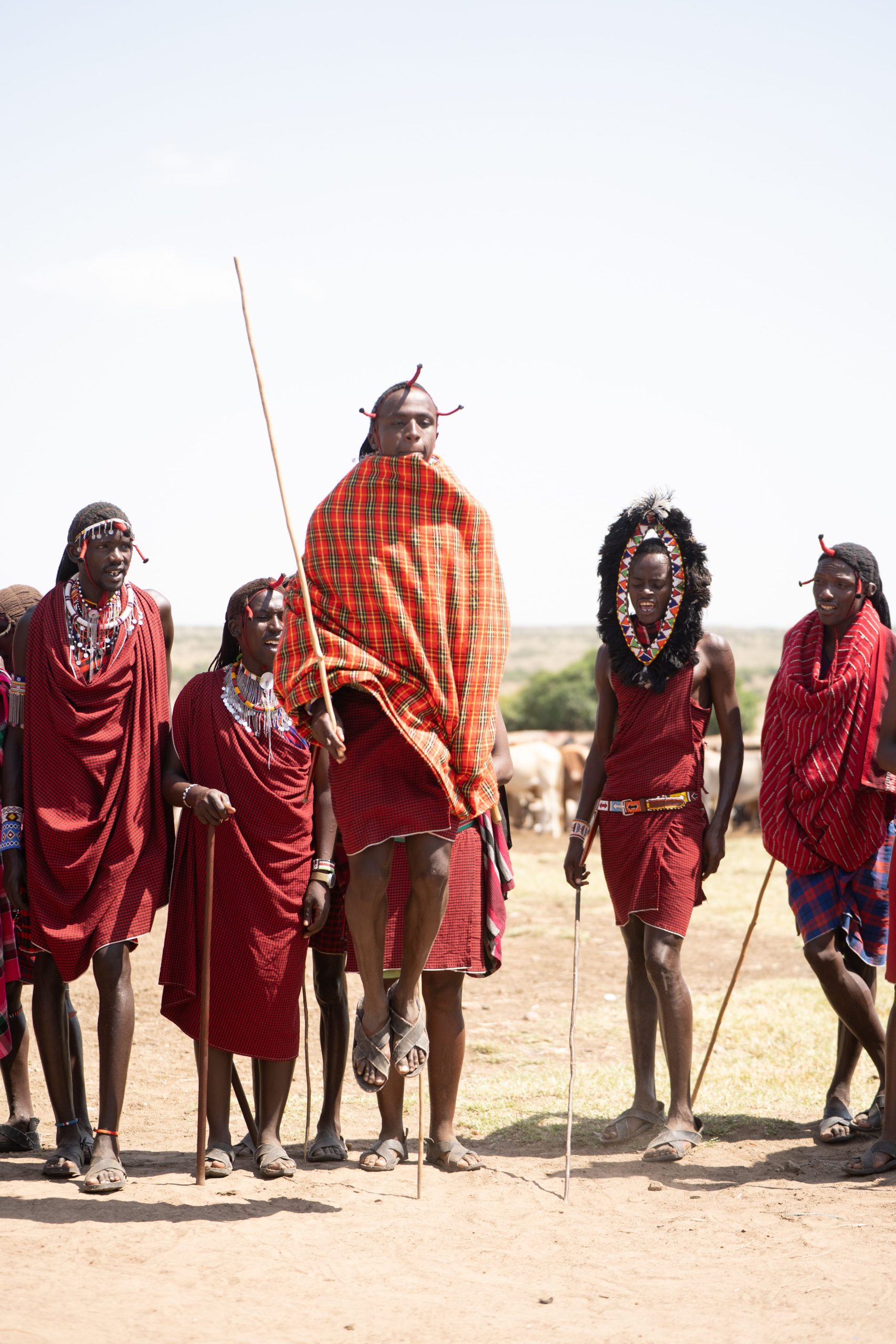
Kenya is one of Africa’s most iconic safari destinations, offering a remarkable combination of wildlife, dramatic landscapes, vibrant cultures, beaches, and well-established tourism infrastructure. From the open grasslands of the Maasai Mara to the elephant country of Amboseli, the rhino sanctuary of Lake Nakuru, and the vast wilderness of Tsavo, a first safari in Kenya can be both exciting and overwhelming if you do not know how to plan it.
This comprehensive Kenya Safari Guide for First-Time Visitors explains everything you need to know before your trip—from choosing destinations and the best time to visit to safari costs, accommodation, packing, transportation, wildlife etiquette, and practical travel advice.
Why Choose Kenya for Your First Safari?
Kenya is particularly well suited to first-time safari travelers because it offers a wide variety of wildlife experiences within relatively accessible destinations.
The country is home to the famous Big Five—lion, leopard, elephant, buffalo, and rhinoceros—as well as giraffes, cheetahs, zebras, wildebeest, hippos, crocodiles, numerous antelope species, and hundreds of bird species. Kenya’s tourism authorities highlight the diversity between destinations such as Maasai Mara, Amboseli, Tsavo, Samburu, Lake Nakuru, Mount Kenya and Nairobi National Park.
Kenya also offers experiences beyond traditional game drives, including:
- Wildlife photography
- Bird watching
- Nature walks
- Cultural experiences
- Hot-air balloon safaris
- Hiking
- Cycling in designated areas
- Beach holidays
- Mountain climbing
- Boat excursions
- Conservation experiences
This means you can combine a classic wildlife safari with a beach holiday or cultural adventure.
1. What Is a Kenya Safari Like?
A typical Kenya safari involves traveling between national parks, reserves or conservancies and spending time observing wildlife from a safari vehicle.
Most safari days begin early because animals are generally more active during the cooler morning hours. You may leave your lodge or camp around sunrise for a game drive, return for breakfast or lunch, relax during the hottest part of the day, and then head out again in the afternoon.
A typical day may look like:
6:00 AM – 9:00 AM: Morning game drive
9:00 AM – 10:00 AM: Breakfast
10:00 AM – 2:30 PM: Relaxation/lunch
3:00 PM – 6:00 PM: Afternoon/evening game drive
Evening: Dinner and relaxation at your lodge or camp
Schedules vary according to the destination, accommodation and safari operator.
One important thing for first-time visitors to understand is that a safari is not a zoo experience. Wildlife is free to move around, so sightings cannot be guaranteed. Your guide’s experience, knowledge of animal behavior and understanding of the ecosystem can make a significant difference.
2. Where Should First-Time Visitors Go on Safari in Kenya?
Kenya has many national parks and reserves, but you do not need to visit all of them on your first trip.
Your choice should depend on the wildlife you want to see, the length of your holiday, your budget and whether you want to combine safari with the Kenyan coast.
Maasai Mara National Reserve
The Maasai Mara is probably the destination most closely associated with a classic Kenya safari.
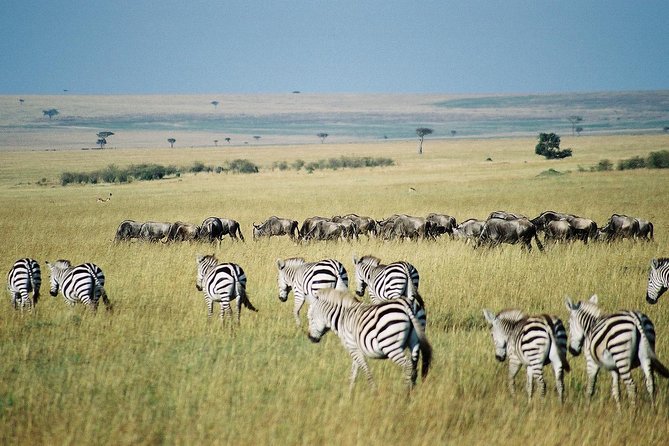
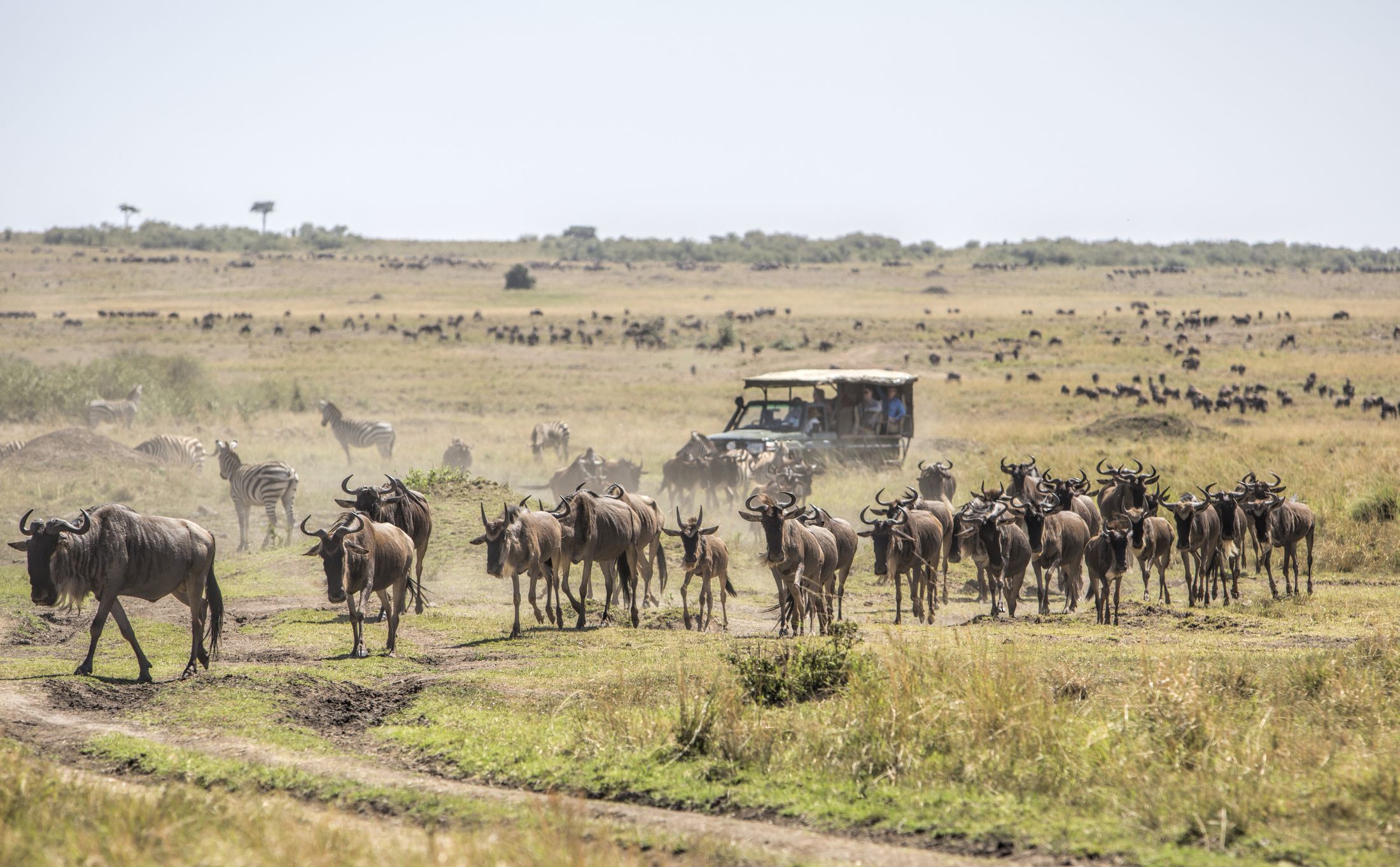
The reserve is famous for its expansive savannah landscapes, abundant wildlife and the annual wildebeest migration. During the migration season, enormous herds of wildebeest and zebras move through the Mara ecosystem.
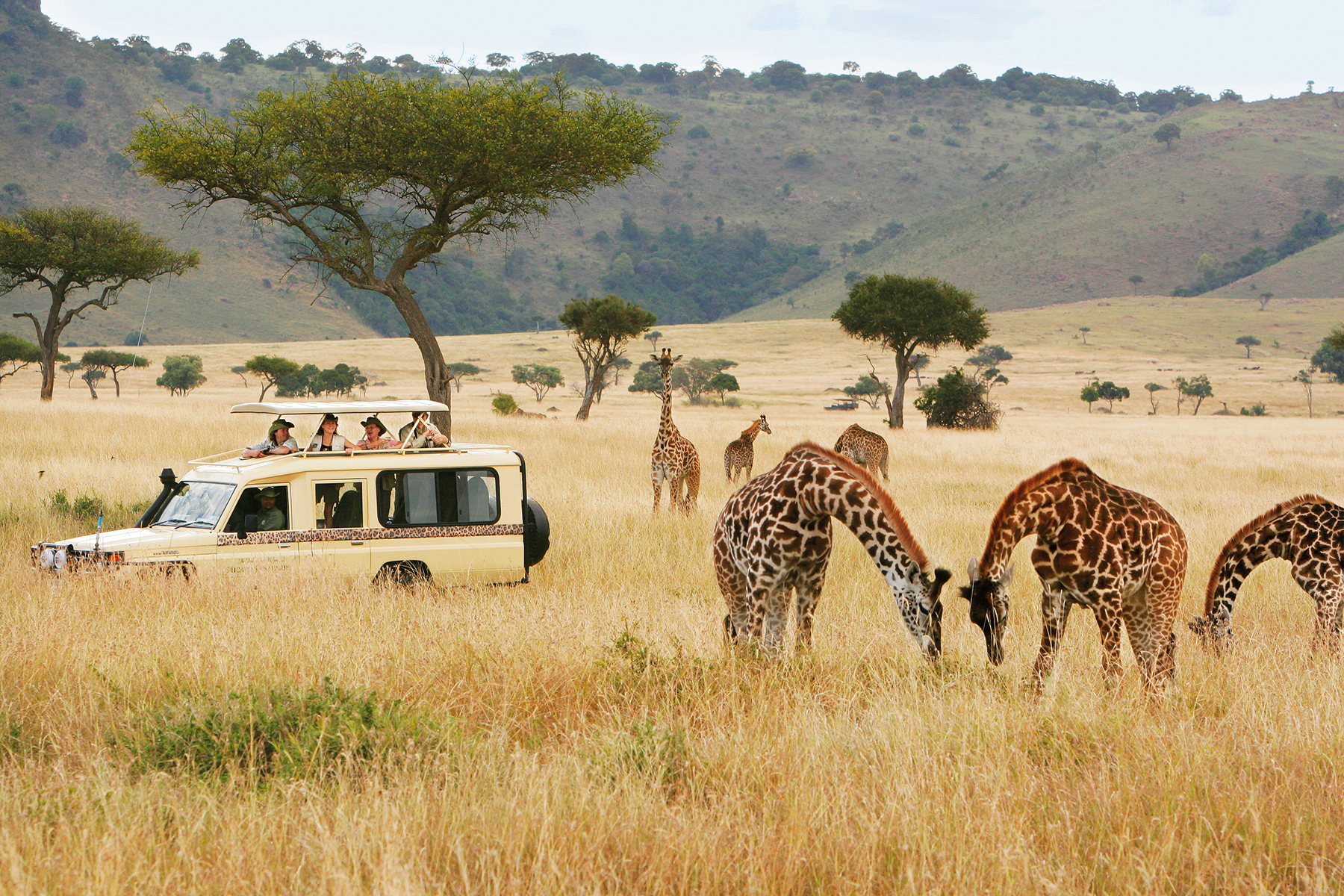
It is also a major destination for viewing lions, cheetahs, elephants, buffaloes, giraffes, zebras, hippos and other wildlife.
Why visit Maasai Mara?
- Excellent year-round wildlife opportunities
- Big Five viewing
- Famous wildebeest migration
- Beautiful savannah landscapes
- Excellent photography
- Maasai cultural experiences
- Luxury, mid-range and budget accommodation options
For many first-time visitors, 3–4 nights in the Maasai Mara provides a good introduction to Kenya’s safari experience.
3. Amboseli National Park
Amboseli is particularly famous for its large elephant herds and spectacular views of Mount Kilimanjaro.
Kenya Wildlife Service describes Amboseli as a premier destination for close encounters with large elephant herds, with landscapes that include open plains, acacia woodland, thorn bushland and wetlands.
The combination of elephants and Mount Kilimanjaro creates some of Kenya’s most recognizable safari photographs.
Highlights of Amboseli
- Large elephant herds
- Mount Kilimanjaro views
- Lions
- Buffaloes
- Giraffes
- Zebras
- Hippos
- Birdlife
- Maasai cultural experiences
- Observation Hill
Amboseli is particularly suitable for travelers interested in elephants, landscapes and photography.
4. Lake Nakuru National Park
Lake Nakuru is an excellent addition to a Kenya safari, particularly for visitors interested in rhinos and birdlife.
The park supports populations of black and white rhinoceros and has a diverse range of bird species. Kenya Wildlife Service describes the park as an important sanctuary for both black and white rhinos and notes approximately 450 bird species.
What can you see at Lake Nakuru?
- Black rhinos
- White rhinos
- Lions
- Leopards
- Buffaloes
- Giraffes
- Zebras
- Flamingos and other waterbirds
- Other antelope species
Lake Nakuru can work particularly well as part of a Masai Mara–Lake Nakuru safari circuit.
5. Tsavo East and Tsavo West National Parks
Tsavo is one of Kenya’s great wilderness destinations and is particularly suitable for travelers who want a larger, more rugged safari experience.
Tsavo East and Tsavo West together form one of the country’s major protected ecosystems.
Tsavo offers opportunities to see:
- Elephants
- Lions
- Leopards
- Buffaloes
- Giraffes
- Zebras
- Antelopes
- Crocodiles
- Hippos
- Large numbers of birds
Tsavo can also be combined with a Mombasa or Diani Beach holiday, making it a good option for travelers who want both safari and beach time.
6. Samburu National Reserve
For travelers who want something different from the classic southern Kenya safari circuit, Samburu offers a very different landscape and wildlife experience.
The region is characterized by semi-arid scenery, rocky hills and riverine habitats.
Samburu is also associated with several northern species that are less commonly encountered in southern Kenya, making it particularly interesting for repeat visitors or travelers with more time.
7. Nairobi National Park
One of Kenya’s unique attractions is Nairobi National Park, located close to Nairobi.
It can be an excellent option if you have limited time.
You can potentially experience a game drive shortly after arriving in Nairobi or before departing the country.
It is particularly useful for:
- Short trips
- Stopovers
- Business travelers
- Travelers with one free day
- Visitors spending time in Nairobi
8. How Many Days Do You Need for a Kenya Safari?
There is no single ideal safari length because Kenya offers different combinations of destinations.
2–3 Days
First-time travelers with limited time
Nairobi-based visitors
Short Maasai Mara trips
Amboseli short safaris
4–5 Days
A good option for a first safari.
Possible itinerary:
Nairobi → Maasai Mara → Lake Nakuru → Nairobi
or
Nairobi → Amboseli → Nairobi
6–8 Days
This allows you to combine several major destinations.
Nairobi → Lake Nakuru → Maasai Mara → Amboseli → Nairobi
9–14 Days
Ideal for travelers who want a more comprehensive Kenya experience.
You can combine:
Samburu + Lake Nakuru + Maasai Mara + Amboseli + Tsavo
or add a few days on the Kenyan coast.
9. When Is the Best Time to Go on a Kenya Safari?
Kenya can be visited throughout the year, but wildlife-viewing conditions change with the seasons.
Kenya Wildlife Service notes that parks offer attractions throughout the year, while generally identifying July–December and December–March as high seasons and April–June as the period associated with the long rains.
June to October
This is one of the most popular periods for safari travel.
Advantages include:
- Generally drier conditions
- Easier wildlife viewing in many areas
- Shorter vegetation in many savannah areas
- Excellent photography conditions
- Wildebeest migration activity in the Mara ecosystem
However, popular destinations can be busier during peak periods.
November to December
The short rains can bring fresh vegetation and greener landscapes.
Advantages include:
- Beautiful scenery
- Fewer visitors in some destinations
- Excellent photography
- Wildlife remains available
- Rain showers do not necessarily mean that a safari will be ruined.
January to March
This can also be a good period for safari.
The weather is often relatively dry, and wildlife viewing can be excellent in many parks.
April to June
This period includes Kenya’s long-rains season.
Some roads can become difficult, particularly in areas with heavy rainfall. Kenya Wildlife Service notes that some park roads may require four-wheel-drive vehicles during the rainy season.
However, the rainy season can also offer:
- Green landscapes
- Fewer tourists
- Dramatic skies
- Excellent photography
- Potentially lower accommodation rates
Therefore, the best time depends on your priorities rather than one universal answer.
10. Understanding the Great Wildebeest Migration
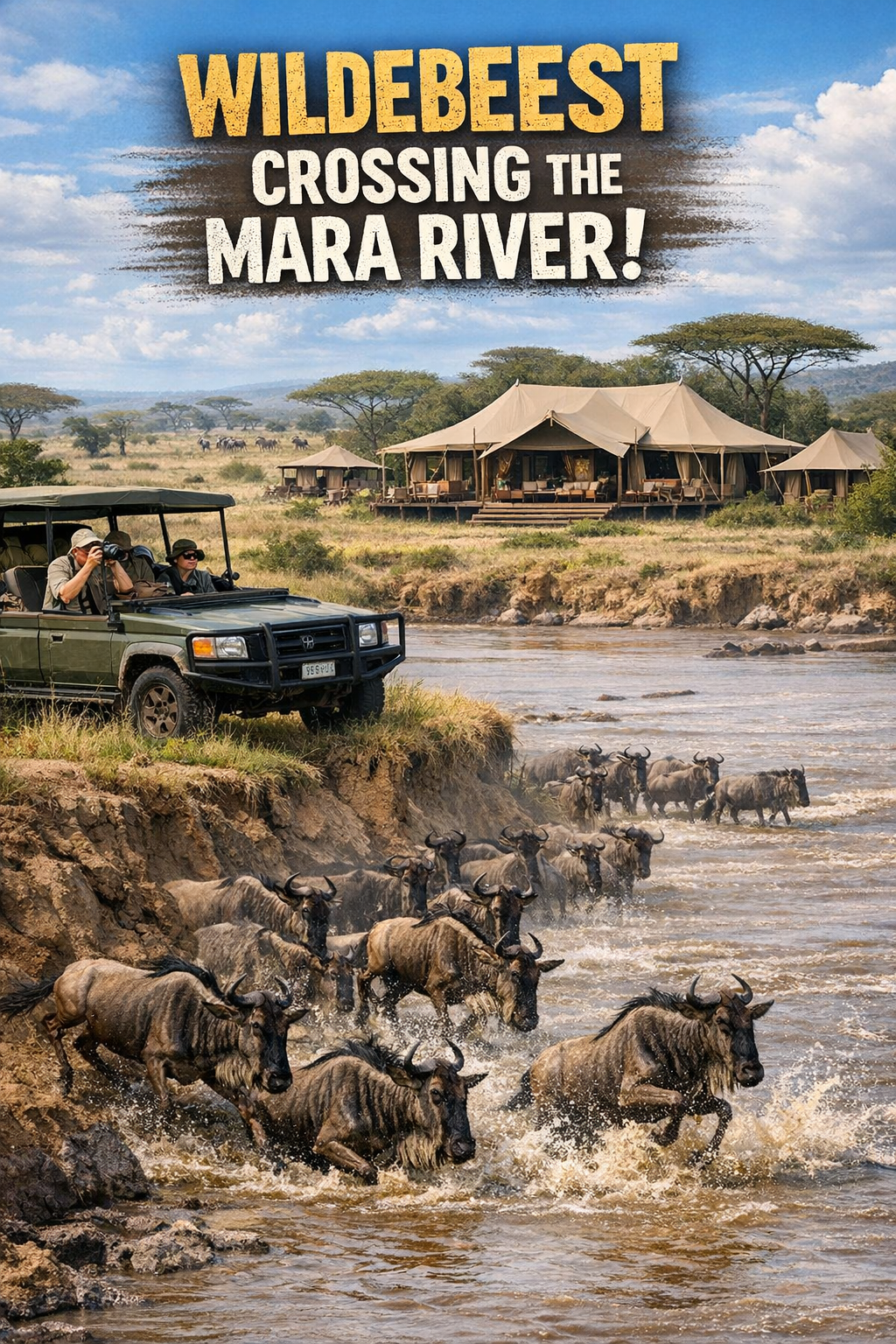
One of the biggest attractions for visitors to the Maasai Mara is the annual wildebeest migration.
Large numbers of wildebeest, accompanied by zebras and other grazing animals, move through the greater Serengeti–Mara ecosystem.
The timing is influenced by rainfall and pasture conditions, so it should not be treated as a perfectly predictable event.
If witnessing migration activity is important to you, discuss your travel dates with your safari operator before booking.
Remember that the migration is not simply a single event occurring on one fixed date. Different stages of the movement can occur at different times.
11. How Much Does a Kenya Safari Cost?
Safari prices vary considerably depending on:
- Number of days
- Number of travelers
- Accommodation category
- Vehicle type
- Park fees
- Season
- Domestic flights
- Activities
- Meal arrangements
- Private versus group safari
- Number of destinations
Generally, safari accommodation falls into three broad categories.
Budget Safari
- Budget safaris usually involve:
- Budget camps
- Basic lodges
- Shared safari vehicles
- Simple accommodation
- Group departures
They are suitable for travelers who prioritize the experience over luxury.
Mid-Range Safari
Mid-range safaris typically offer:
Comfortable lodges or tented camps
Private or shared vehicles depending on the package
- Better locations
- More amenities
- Greater flexibility
This category is often attractive to couples, families and first-time safari travelers.
Luxury Safari
Luxury safaris may include:
- High-end lodges
- Luxury tented camps
- Private vehicles
- Bush dining
- Premium services
- Domestic flights
- Exclusive conservancy experiences
Luxury safaris can provide a highly personalized experience but at substantially higher prices.
Tip: Do not choose a safari based solely on the cheapest price. Compare what is actually included.
12. What Is Usually Included in a Kenya Safari Package?
Always ask your tour operator for a written list of inclusions and exclusions.
A safari package may include:
- Airport transfers
- Accommodation
- Meals
- Transportation
- Professional safari guide/driver
- Game drives
- Park or conservancy fees
- Bottled drinking water
- Selected activities
Possible exclusions include:
- International flights
- Travel insurance
- Personal expenses
- Tips
- Alcoholic beverages
- Laundry
- Visa/eTA expenses
- Optional activities
- Balloon safari
- Cultural village visits
- Some domestic flights
This is why comparing the headline price alone can be misleading.
13. Choosing the Right Safari Vehicle
For a first safari, vehicle choice is important.
Safari Land Cruiser
A 4×4 Land Cruiser is commonly preferred for private safaris because it offers:
- Good visibility
- Comfortable seating
- Large windows
- Pop-up roof
- Good performance on rough roads
- Flexibility on safari routes
Safari Minivan
A safari van can be more economical and may be suitable for budget group safaris.
However, terrain and comfort can vary depending on the vehicle.
When booking, ask:
- Is the safari private or shared?
- How many passengers will be in the vehicle?
- Is the vehicle 4×4?
- Does it have a pop-up roof?
- Does every passenger have a window seat?
These questions can make a significant difference to your safari experience.
14. What Should You Pack for a Kenya Safari?
Packing for safari does not have to be complicated.
Essential clothing
Bring:
- Lightweight trousers
- T-shirts
- Long-sleeved shirts
- Light fleece or sweater
- Comfortable walking shoes
- Sandals
- Hat or cap
- Light rain jacket
- Comfortable sleepwear
Temperatures can vary considerably between morning and afternoon, so layering is useful.
Kenya Wildlife Service also recommends adaptable clothing because visitors encounter different climates across the country’s parks and reserves.
Other essentials
Pack:
- Sunglasses
- Sunscreen
- Insect repellent
- Camera
- Extra memory cards
- Binoculars
- Power bank
- Reusable water bottle
- Personal medication
- Small first-aid kit
- Passport
- Travel insurance documents
KWS specifically recommends items such as cameras, binoculars, sunscreen, insect repellent and first-aid supplies for park visits.
15. What Colors Should You Wear on Safari?
Neutral colors such as:
- Khaki
- Beige
- Brown
- Olive
- Grey
are practical choices.
They are comfortable for outdoor environments and photography.
There is no need to purchase an entirely new safari wardrobe. Comfortable outdoor clothing that protects you from sun, dust and changing temperatures is generally more important.
16. What About Mobile Phones and Internet?
Most tourist destinations have some level of mobile connectivity, although coverage can become limited in remote safari areas.
Your lodge or camp may have Wi-Fi, but do not expect connectivity to be as reliable as it is in Nairobi.
Consider:
- Downloading important documents before departure
- Keeping your accommodation information offline
- Carrying a power bank
- Informing family members that connectivity may be limited
- For wildlife photography, your phone can also be useful, but binoculars and a proper camera can provide a much better viewing experience.
17. Money and Payments in Kenya
Kenya uses the Kenyan Shilling (KES).
Major hotels, lodges and tourism businesses may accept cards, but it is still useful to carry some local currency for:
- Tips
- Small purchases
- Local markets
- Small restaurants
- Cultural experiences
ATMs are available in major towns and cities, but you should not rely on finding one immediately after entering a remote safari destination.
18. Kenya Safari Safety Tips for First-Time Visitors
Kenya is an established tourism destination, but visitors should use normal travel precautions.
Kenya’s National Tourism Service Portal recommends keeping copies of important documents, avoiding displaying valuables, being cautious in crowded areas and using reputable transportation services. It also recommends following guides and rangers during safari activities.
During a game drive:
- Stay inside the vehicle unless your guide says it is safe to exit.
- Do not approach animals.
- Do not feed wildlife.
- Do not shout at animals.
- Do not make unnecessary noise.
- Follow your guide’s instructions.
- Do not attempt to touch wild animals.
- Do not stand up suddenly when close to animals.
- Never leave food outside your vehicle or tent where prohibited.
KWS guidance includes remaining in vehicles except in designated areas, staying on established roads, observing speed restrictions and keeping a safe distance from wildlife.
19. Travel Insurance
Travel insurance is strongly recommended for an international safari.
Your policy should ideally cover:
- Medical expenses
- Emergency evacuation
- Trip cancellation
- Lost luggage
- Delays
- Personal liability
Kenya’s tourism safety guidance specifically recommends travel insurance that includes medical evacuation, particularly for visitors traveling to remote safari destinations.
20. Kenya Entry Requirements for First-Time Visitors
Travel requirements can change, so check official Kenyan immigration information before your journey.
Kenya currently operates an Electronic Travel Authorisation (eTA) system. The official immigration service states that visitors who require an eTA should obtain an approved authorization before traveling, while certain categories—including citizens of East African Partner States—are exempt.
Applications should be made through the official Kenyan government eTA system rather than through unofficial websites.
Official Kenya eTA application portal
Your passport, travel documents and any required supporting documentation should be valid and ready before departure.
21. Safari Accommodation: Lodge or Tented Camp?
Both options can provide an excellent experience.
Safari Lodge
A lodge usually provides:
- Permanent rooms
- Restaurant
- Swimming pool at many properties
- Larger common areas
More conventional hotel-style accommodation
Tented Camp
A tented camp can provide a more immersive safari atmosphere.
Modern permanent tented camps can include:
- Private bathrooms
- Comfortable beds
- Electricity
- Restaurant facilities
- Lounge areas
- Private verandas
Do not assume that “tent” means basic camping. Many safari tents are highly comfortable.
22. Should You Book a Private or Group Safari?
Private Safari
Advantages include:
- Flexible schedule
- More control over game-drive times
- Ability to customize the itinerary
- More privacy
- Suitable for families and couples
Group Safari
Advantages include:
- Lower cost
- Opportunity to meet other travelers
- Shared transportation costs
For a first-time visitor, the choice should depend on your budget, preferred level of flexibility and travel style.
23. Should You Use a Local Safari Company?
A reputable local safari operator can help coordinate:
- Airport transfers
- Accommodation
- Park permits and fees
- Safari vehicles
- Professional guides
- Game drives
- Domestic flights
- Cultural activities
- Beach extensions
When choosing an operator, check:
- Company registration/accreditation
- Reviews from previous travelers
- Clear terms and conditions
- Detailed itinerary
- Vehicle specifications
- What’s included
- What’s excluded
- Emergency contact information
- Payment and cancellation policies
Avoid choosing solely on the lowest quotation.
24. Responsible Safari Tourism
A good safari should protect wildlife, support local communities and minimize environmental impact.
As a visitor:
- Never litter.
- Avoid single-use plastics where possible.
- Do not feed wildlife.
- Do not pressure guides to get dangerously close to animals.
- Respect local communities.
- Ask permission before photographing people.
- Support locally owned businesses where appropriate.
- Follow park regulations.
- Avoid purchasing illegal wildlife products.
KWS emphasizes that visitors are entering wildlife habitat and should respect animals’ space, follow park rules and avoid behaviors that disturb wildlife.
25. Combining a Kenya Safari with a Beach Holiday
One of Kenya’s greatest advantages is that you can combine a wildlife safari with a tropical beach holiday.
Popular coastal destinations include:
- Diani Beach
- Mombasa
- Watamu
- Malindi
- Lamu
A popular itinerary could be:
Day 1: Arrival in Nairobi
Day 2: Nairobi → Amboseli
Day 3: Amboseli safari
Day 4: Amboseli → Nairobi
Day 5: Nairobi → Maasai Mara
Day 6: Maasai Mara game drives
Day 7: Maasai Mara game drives
Day 8: Maasai Mara → Nairobi
Day 9: Fly to Diani Beach
Days 10–12: Relax at the coast
Day 13: Departure
This type of itinerary gives a first-time visitor a combination of wildlife, scenery, culture and beach relaxation.
26. Sample Kenya Safari Itineraries for First-Time Visitors
Nairobi – Maasai Mara – Nairobi
Best for travelers with limited time.
Nairobi – Maasai Mara – Lake Nakuru – Nairobi
A good introduction to two major wildlife destinations.
Nairobi – Amboseli – Lake Nakuru – Maasai Mara
Provides greater wildlife and landscape diversity.
Nairobi – Amboseli – Lake Nakuru – Maasai Mara – Nairobi
A comprehensive first Kenya safari.
Nairobi – Samburu – Lake Nakuru – Maasai Mara – Amboseli – Nairobi
Suitable for travelers who want to explore several ecosystems.
12–14-Day Kenya Safari & Beach Holiday
Nairobi – Samburu – Lake Nakuru – Maasai Mara – Amboseli – Tsavo – Diani Beach
This is suitable for travelers who have enough time to experience both Kenya’s major safari regions and the coast.
27. Common Mistakes First-Time Safari Visitors Should Avoid
Mistake 1: Trying to visit too many parks
Spending one night in every destination can mean spending more time driving than enjoying wildlife.
Solution: Choose fewer destinations and spend more time in each.
Mistake 2: Choosing solely based on price
An unusually cheap safari may exclude important services.
Solution: Compare inclusions carefully.
Mistake 3: Packing too much
Safari vehicles and small aircraft have luggage restrictions.
Solution: Pack light and check domestic-flight baggage requirements if flying between parks.
Mistake 4: Expecting guaranteed animal sightings
Wild animals move freely.
Solution: Enjoy the entire experience rather than focusing exclusively on ticking off species.
Mistake 5: Ignoring travel time
Kenya’s parks are spread across a large country.
Solution: Build realistic transfer times into your itinerary.
Mistake 6: Forgetting downtime
A safari can be physically tiring.
Solution: Include some rest time between intensive game-drive days.
28. How to Make Your First Kenya Safari Special
For the best experience, think beyond simply visiting parks.
Consider adding:
- A private game drive
- Hot-air balloon safari in the Maasai Mara
- Maasai cultural experience
- Conservation visit
- Nature walk where permitted
- Sundowner experience
- Bush breakfast
- Professional photography
- Beach extension
- Nairobi city experiences
The most memorable safari is usually the one designed around your interests, rather than a generic itinerary.
29. Final Kenya Safari Checklist
Before leaving home, confirm:
Documents
☐ Passport
☐ Kenya eTA if applicable
☐ Flight tickets
☐ Travel insurance
☐ Accommodation confirmations
☐ Safari itinerary
☐ Emergency contacts
Clothing
☐ Lightweight clothes
☐ Long-sleeved shirts
☐ Trousers
☐ Fleece/jacket
☐ Comfortable shoes
☐ Hat
☐ Rain jacket
Safari equipment
☐ Camera
☐ Binoculars
☐ Extra batteries
☐ Memory cards
☐ Power bank
Personal items
☐ Sunscreen
☐ Sunglasses
☐ Insect repellent
☐ Personal medication
☐ First-aid kit
☐ Reusable water bottle
Conclusion: Your First Kenya Safari
A first Kenya safari should not be complicated. The key is to choose the right destinations, allow enough time, select a reputable safari operator, pack appropriately and remain flexible.
For many first-time visitors, a combination of Maasai Mara, Lake Nakuru and Amboseli provides an excellent introduction to Kenya’s wildlife and landscapes. Travelers with more time can expand their itinerary to include Samburu, Tsavo and the Kenyan coast.
Most importantly, remember that a Kenya safari is more than seeing the Big Five. It is about experiencing the landscapes, wildlife, people, culture, conservation efforts and unforgettable moments that make Kenya one of Africa’s great safari destinations.
If you are planning your first Kenya safari, start by deciding three things: how many days you have, your approximate budget, and the wildlife or experiences you most want to see. From there, your itinerary can be built around your priorities.
By
Victor Malala
Tour Consultant
Malvic Tour and Safaris Ltd.