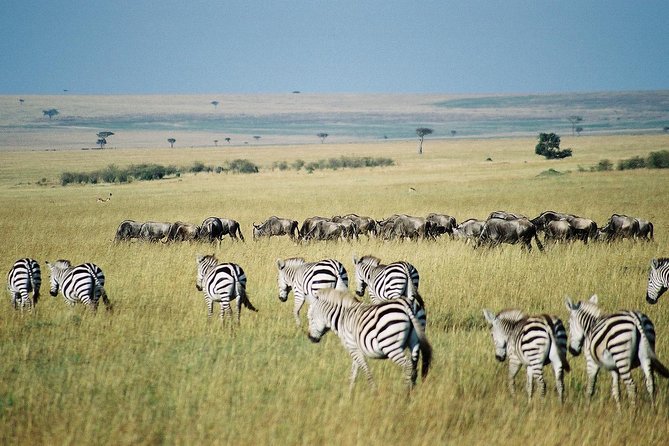
The Masai Mara Migration Calendar is one of the most important planning tools for travelers hoping to witness the spectacular Great Wildebeest Migration in Kenya. Every year, millions of wildebeest, together with hundreds of thousands of zebras and gazelles, move through the Serengeti-Mara ecosystem in search of fresh grazing and water. For visitors planning a Masai Mara safari, the main migration period in Kenya is generally between July and October, with July, August and September offering some of the best opportunities to see large herds and dramatic Mara River crossings. However, migration is a natural event and cannot be predicted according to exact calendar dates. Rainfall, availability of fresh grass, water levels and other environmental conditions influence the movement of the animals. This guide provides a practical Masai Mara migration calendar, explains what to expect each month and helps you choose the best time for your Kenya safari.
What Is the Great Wildebeest Migration?
The Great Wildebeest Migration is an annual movement of enormous herds of wildebeest across the Serengeti-Mara ecosystem of Tanzania and Kenya. The animals continually move in response to rainfall, fresh grass and water. During the Kenyan phase of the migration, large herds move north from Tanzania’s Serengeti into the Masai Mara National Reserve and surrounding conservancies. The migration is famous for its dramatic Mara River crossings, where wildebeest and zebras attempt to cross rivers while facing strong currents, steep riverbanks and waiting crocodiles.
Kenya’s tourism authorities recognize the Masai Mara and the Great Migration as among the country’s most important wildlife attractions.Important: This is a planning calendar rather than a guarantee of animal movement. The migration follows nature, not a fixed timetable. Even during peak months, there may be days when the herds do not cross the river.
January to March: Excellent Wildlife, but Not the Main Migration Season
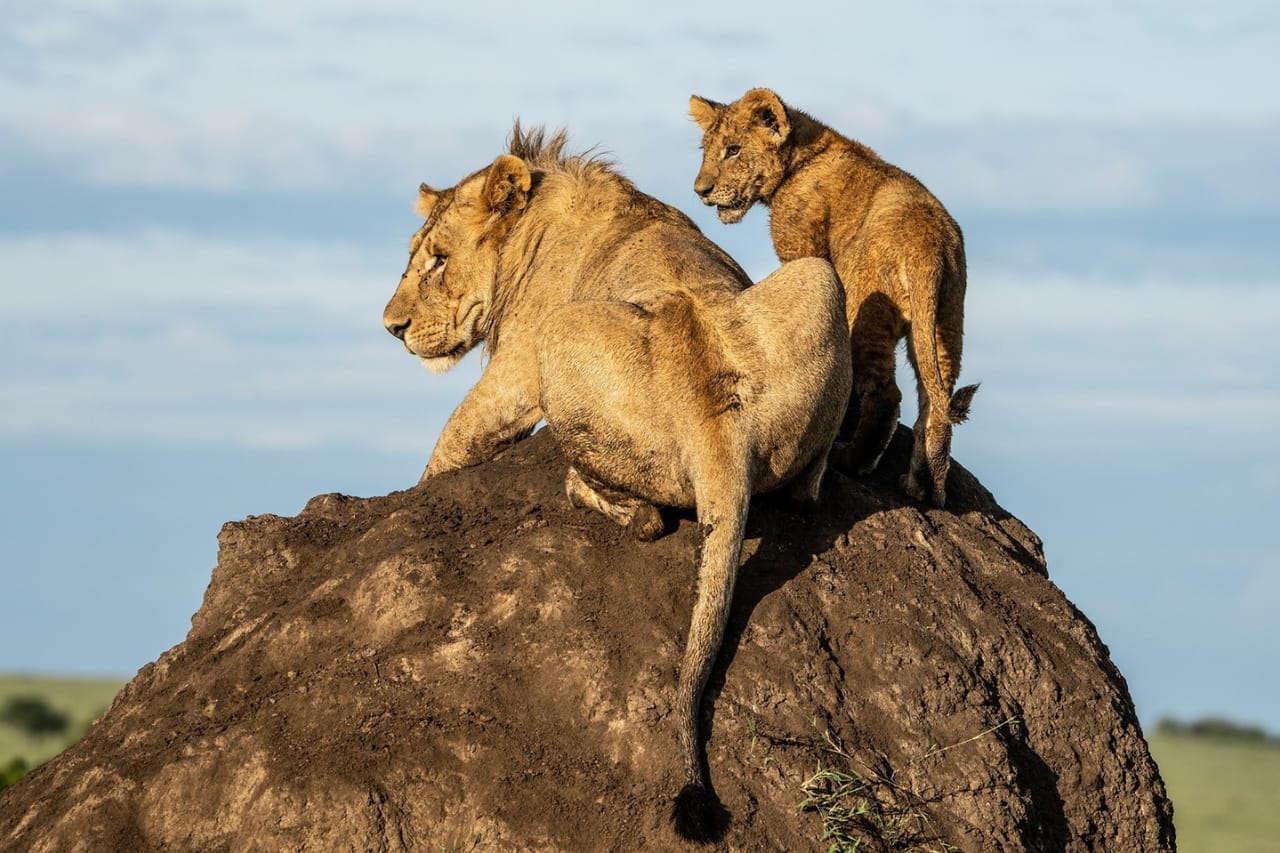
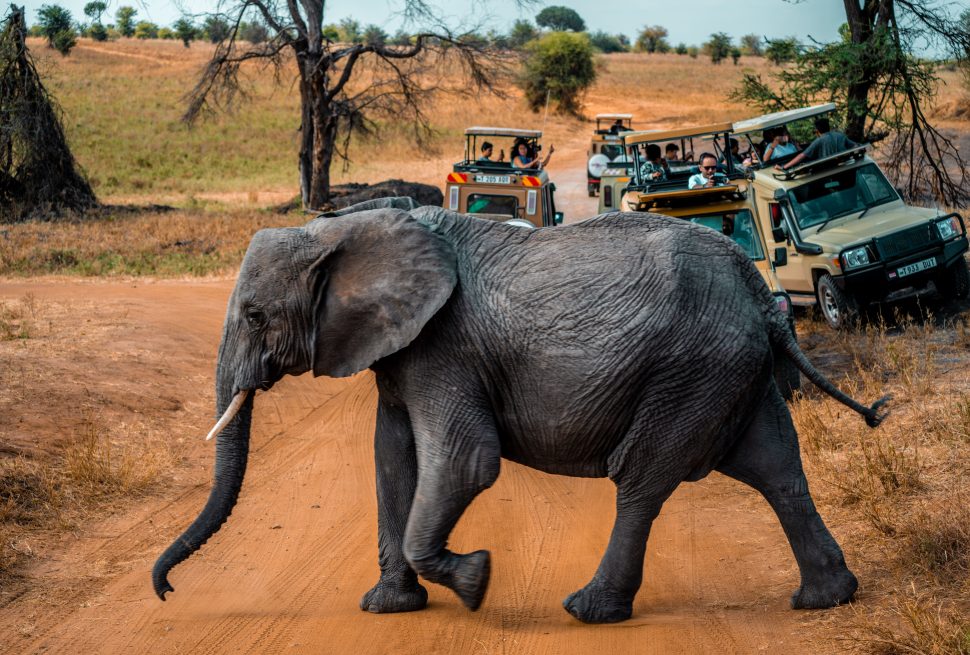
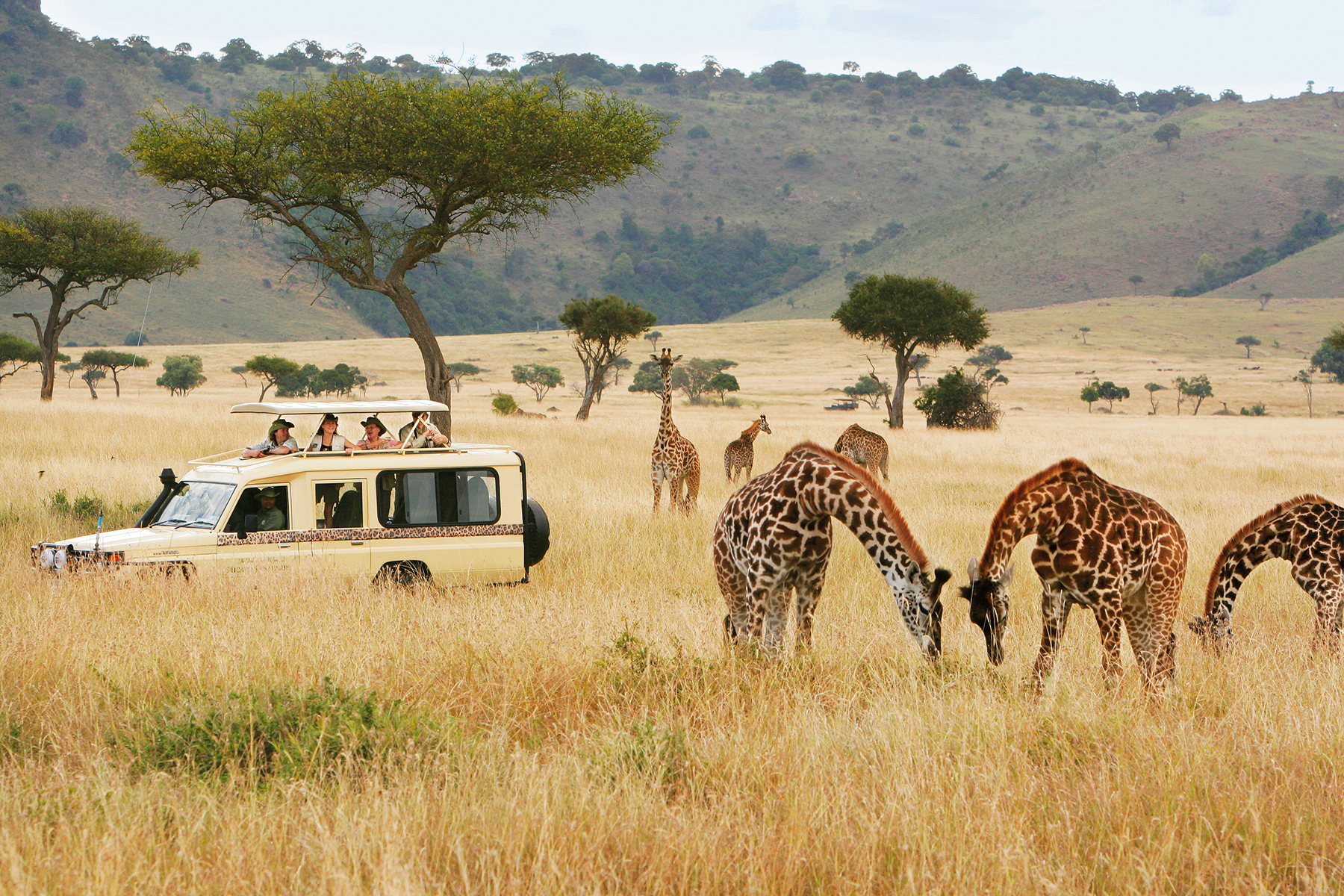
January, February and March are generally not the main months for the Great Wildebeest Migration in the Masai Mara. However, this does not mean that the Masai Mara is quiet or unsuitable for safari. These months can provide excellent opportunities to see lions, cheetahs, leopards, elephants, buffaloes, giraffes and other resident wildlife. The dry conditions can also make game viewing easier because animals are more concentrated around available water sources. If your priority is the Big Five rather than the wildebeest migration, January to March can be an excellent time to visit.
April to May: Green Season in the Masai Mara
April and May generally coincide with Kenya’s long-rain period. The Masai Mara becomes greener, landscapes are beautifully refreshed and tourist numbers are usually lower than during the July-to-October peak season. These months are particularly attractive to travelers looking for:
* Lower safari prices
* Fewer tourists
* Green landscapes
* Photography opportunities
* Bird watching
* A quieter safari experience
Kenya Wildlife Service identifies April to June as the country’s lower tourism season because of the long rains, although parks and reserves continue to offer wildlife experiences throughout the year.
June: The Migration Season Begins to Build
June is an interesting transition month. The main spectacle of the migration is generally still ahead, but the ecosystem begins moving toward the dry-season conditions associated with the peak migration period. For travelers who want to experience the Masai Mara before the busiest months, June can offer a good balance between wildlife viewing, landscapes and relatively lower visitor numbers. However, travelers booking specifically to see Mara River crossings should consider July through September as the stronger planning window.
July: The Wildebeest Start Entering the Masai Mara
July is traditionally considered the beginning of the main Masai Mara migration season. As the herds move north from the Serengeti, increasing numbers of wildebeest and zebras can enter the Mara ecosystem. The exact arrival date varies from year to year. Some herds may arrive earlier, while others may remain in Tanzania for longer depending on rainfall and grazing conditions. July therefore offers an exciting opportunity for travelers who want to experience the migration before the peak August crowds. The wider Kenya tourism sector generally considers July through December a high season for wildlife viewing.
Why Visit Masai Mara in July?
* Early migration activity
* Increasing wildebeest concentrations
* Excellent predator viewing
* Dry-season conditions
* Generally fewer visitors than August
* Good opportunities for photography
August: Peak Masai Mara Migration Season
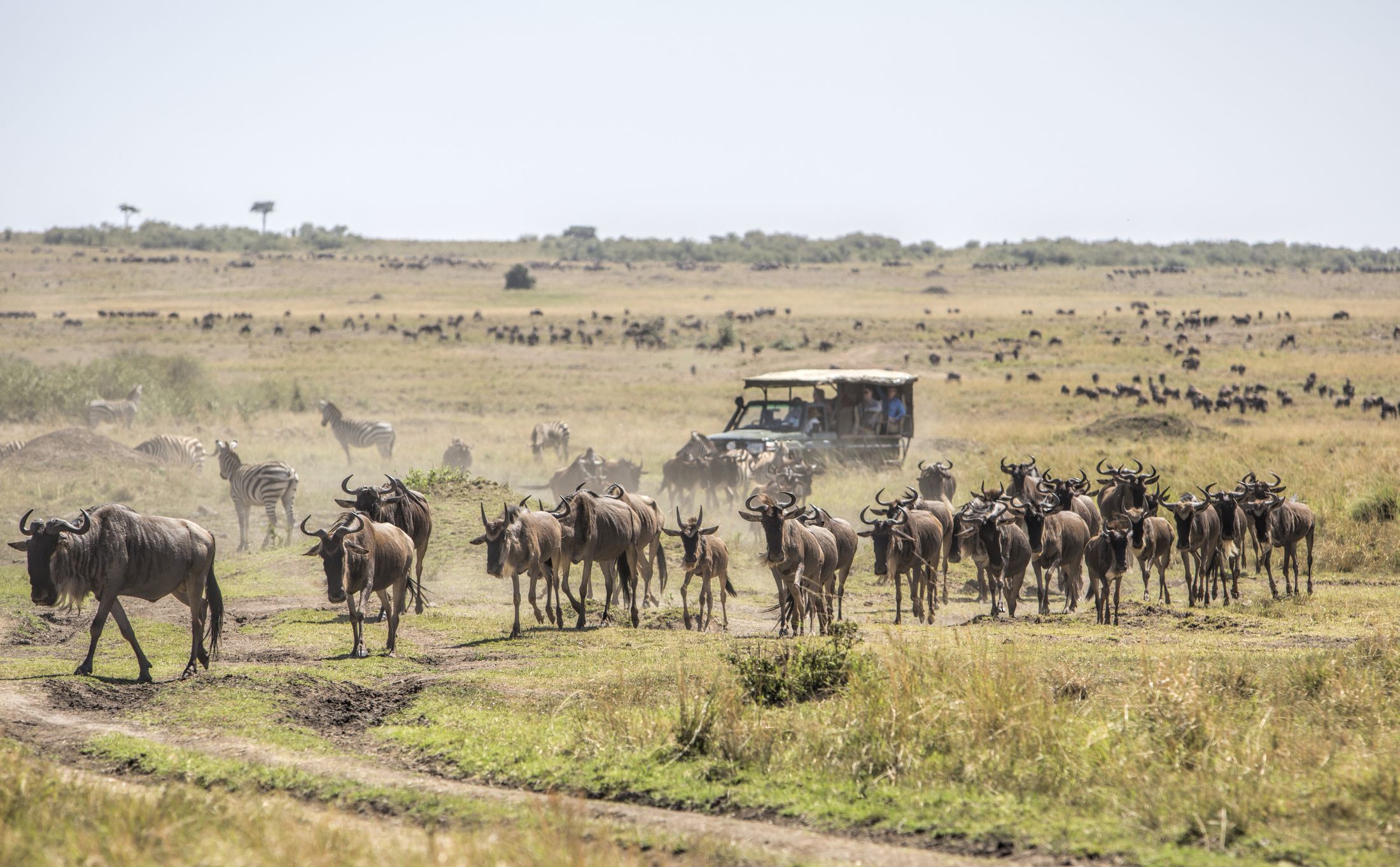
August is one of the most popular months for the Great Wildebeest Migration in Kenya. Large concentrations of wildebeest can be found across the Mara ecosystem, and this is one of the months when travelers have strong opportunities to witness dramatic river crossings. The combination of large herds, predators and river crossings makes August a favorite for travelers booking a Masai Mara migration safari. However, August is also a peak tourism month. Popular camps and lodges can fill quickly, and well-known river crossing locations can become busy. Some migration forecasts identify mid-August through early September as a potentially strong period for crossings, but these are forecasts rather than guaranteed dates.
Why Visit Masai Mara in August?
* Very large wildebeest herds
* High possibility of river-crossing activity
* Excellent predator action
* Dry weather
* Classic Great Migration experience
If your primary objective is witnessing the migration, August is one of the strongest months to consider.
September 2026: Excellent Migration Viewing with Potentially Fewer Crowds
September can be an excellent alternative to August for travelers who want to see the Great Migration while potentially experiencing fewer visitors. Large herds can remain in the Masai Mara during September, and river crossings may continue. This makes September particularly attractive for photographers and experienced safari travelers who want a combination of:
Migration + wildlife + photography + potentially fewer crowds.
There is no guarantee that the herds will remain in a particular area, however. Their movement depends on environmental conditions. Some current safari forecasts identify September as one of the strongest months for balancing migration activity and visitor numbers.
October: The Migration Begins Moving South
October represents the later phase of the Kenyan migration season. As conditions change and fresh grazing becomes available farther south, portions of the herds begin moving back toward Tanzania. Nevertheless, October can still provide excellent wildlife viewing and occasional migration activity. One major advantage of October is that visitor numbers can begin to decline compared with the busiest August period. For flexible travelers, October can therefore be an attractive option for a Masai Mara safari with potentially lower crowd levels.
November to December: The Herds Continue South
By November and December, the majority of the migration has moved south toward the Serengeti ecosystem.The Masai Mara remains an excellent wildlife destination, but travelers should not book these months specifically expecting the classic Mara River crossing experience. Instead, visitors can enjoy:
* Resident wildlife
* Lions and other predators
* Bird watching
* Green landscapes
* Fewer tourists
* Potentially better safari value
The Masai Mara is a year-round safari destination, so missing the migration does not mean missing excellent wildlife viewing.
When Is the Best Time to See the Masai Mara Migration?
For travelers whose main objective is the Great Wildebeest Migration, the strongest overall window is: July to October
Within this period:
July: Early migration and increasing herds
August: Peak migration and excellent crossing opportunities
September: Excellent migration viewing and potentially fewer crowds
October: Late migration and potentially better value
For the highest concentration of migration activity, August and September are particularly attractive months. However, no responsible safari operator can guarantee a river crossing on a specific date.
Can You Predict the Exact Date of a Mara River Crossing? No.
One of the most important things to understand when planning a Masai Mara migration safari is that river crossings cannot be scheduled like a normal tourist attraction. Wildebeest may gather beside the river for hours or even days before suddenly crossing. They may also approach the river and turn away. Rainfall, grass availability, water conditions and herd behavior all influence their movements. For this reason, travelers should avoid choosing a safari based solely on the expectation of seeing a crossing on one particular day. Instead, spending several days in the Mara increases your opportunity to experience different stages of the migration.
How Many Days Should You Spend in the Masai Mara During Migration?
If seeing the migration is your main objective, we recommend spending at least 3 to 4 nights in or around the Masai Mara. A longer stay provides more opportunities to:
* Track different wildebeest herds
* Explore different areas of the reserve
* Search for predators
* Monitor river activity
* Experience sunrise and sunset game drives
* Avoid relying on a single game-drive opportunity
A two-night safari can still be enjoyable, but a longer stay gives you greater flexibility when following unpredictable wildlife movements.
Where Is the Best Place to Stay for the Migration?
Your choice of accommodation can make a significant difference during migration season. Travelers specifically interested in river crossings should consider accommodation within reasonable proximity to migration areas, while travelers interested in avoiding congestion may prefer camps located in conservancies surrounding the main reserve. The best location depends on your safari priorities, budget and the location of the herds during your travel dates. A good safari operator should be able to adjust game-drive plans according to current wildlife movements rather than simply following a fixed itinerary.
Masai Mara Migration Safari: What You Can Expect
A migration safari is about much more than watching wildebeest cross a river. During the migration season, you may encounter:
* Thousands of wildebeest moving across open plains
* Zebra traveling with the herds
* Lions following migrating animals
* Cheetahs hunting on the plains
* Leopards in riverine forests
* Hyenas and other scavengers
* Crocodiles around river crossings
* Dramatic African sunsets
* Large herds stretching across the savannah
The abundance of prey creates exceptional opportunities for predator sightings, making migration season one of the most exciting periods for a Kenya wildlife safari.
Masai Mara Migration Calendar: Quick Recommendation
If you are planning your safari based on your preferred experience, consider the following:
- Best overall migration experience: August
- Best balance of migration and potentially fewer crowds: September
- Early migration experience: July
- Late-season migration and potentially lower crowds: October
- Best months for general wildlife outside migration: January to March
- Best green-season experience: April to May
Book Your Masai Mara Migration Safari
The Great Wildebeest Migration is an extraordinary wildlife experience and one of the best reasons to visit Kenya. Whether you want to witness thousands of wildebeest moving across the Mara plains, search for predators following the herds or experience the legendary Mara River crossings, choosing the right travel period can significantly improve your safari experience. For travelers planning a Masai Mara safari, July to October remains the key migration window, with August and September being particularly attractive months. However, remember that the migration is controlled by nature, so exact herd locations and river crossings cannot be guaranteed.
Plan your safari around several days in the ecosystem rather than one specific crossing date. This gives you the best opportunity to experience the full spectacle of the Great Wildebeest Migration in Kenya.
Ready to experience the Masai Mara Migration in future
Plan your Kenya safari with Malvic Tour and Safaris and discover the Masai Mara, Kenya’s legendary wildlife destination.
Visit [www.malvictourandsafaris.co.ke](http://www.malvictourandsafaris.co.ke) to explore safari options and start planning your Masai Mara migration adventure.
Written by:
V. O. Malala
Tour Consultant at Malvic Tour and Safaris Ltd.