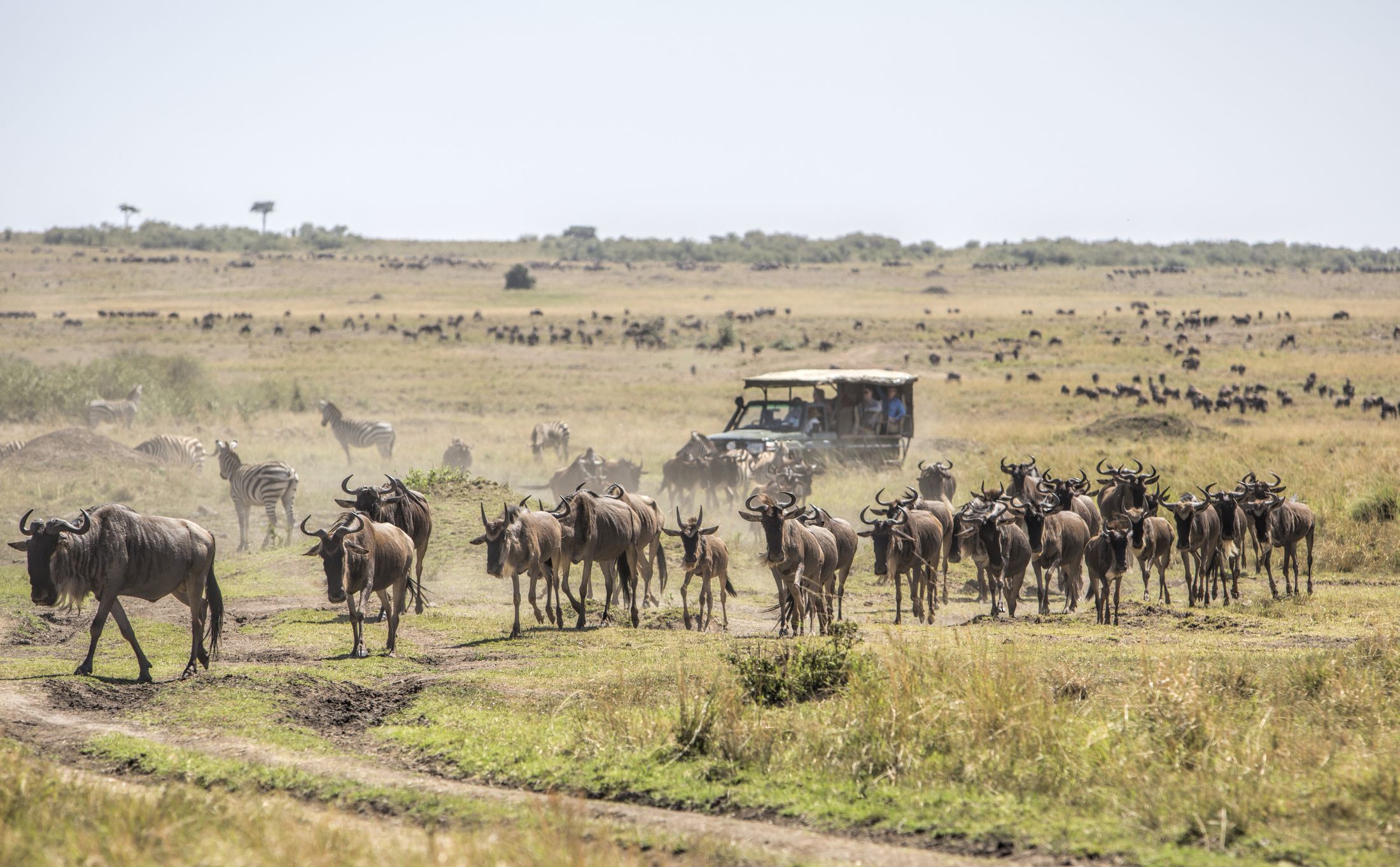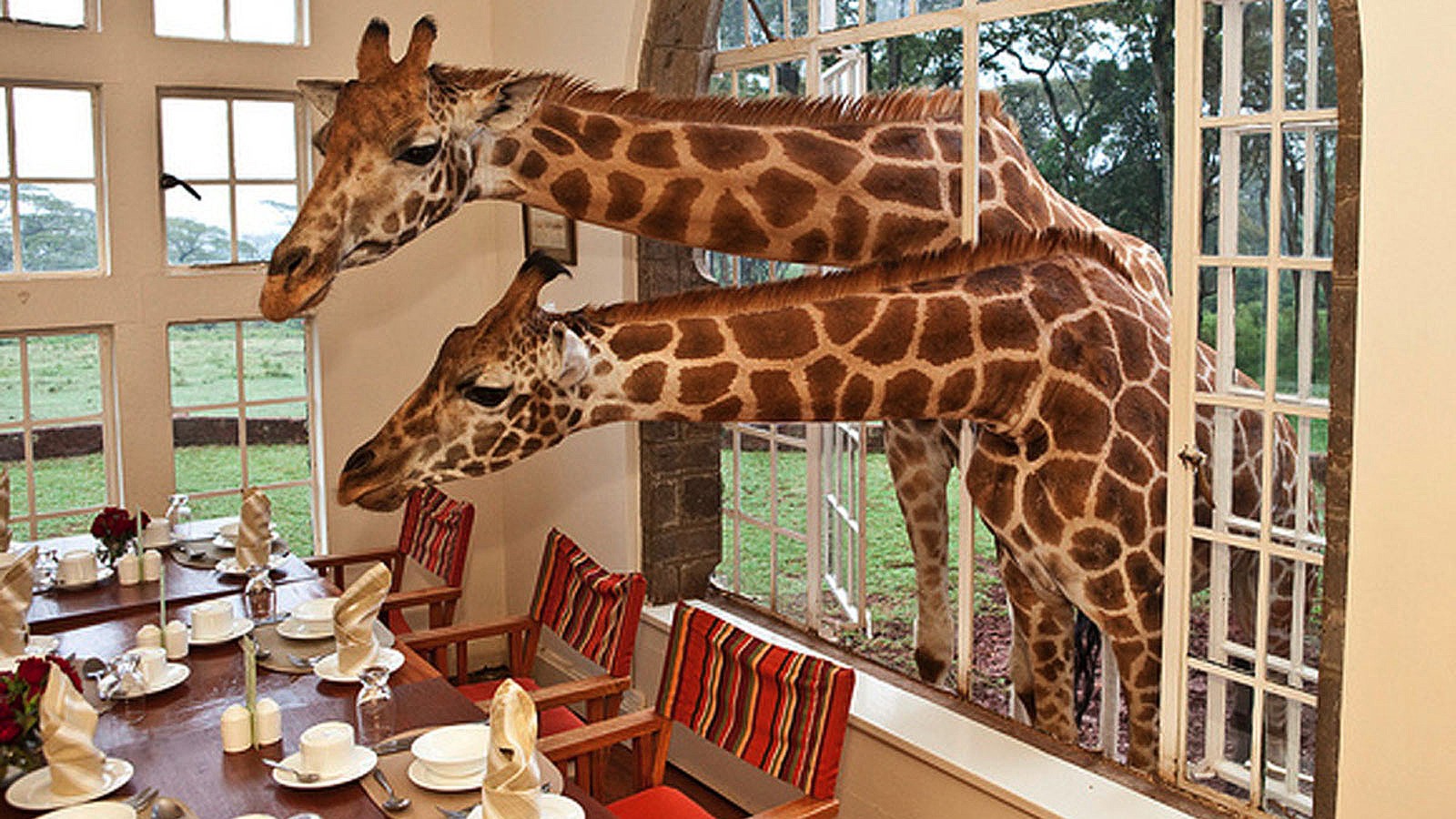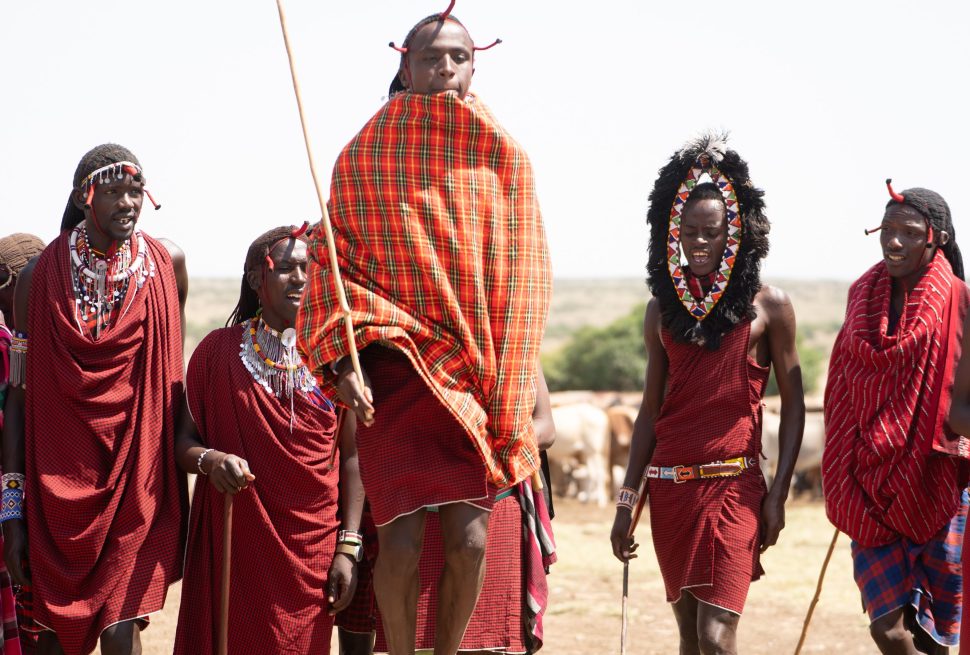

Planning your first African adventure and wondering what to pack for a Kenya safari? Whether you are heading to the world-famous Maasai Mara, exploring Amboseli National Park beneath Mount Kilimanjaro, discovering Lake Nakuru, or combining several destinations on a Kenya safari holiday, packing the right items can make your experience more comfortable, convenient, and enjoyable.
Kenya offers diverse landscapes, changing temperatures, wildlife viewing, early-morning game drives, walking excursions, and long days in the bush. A well-planned Kenya safari packing list should therefore focus on lightweight clothing, sun protection, comfortable footwear, personal essentials, photography equipment, and practical travel accessories.
At Malvic Tours & Safaris, we organize unforgettable Kenya safari experiences ranging from budget and shared safaris to private and luxury wildlife adventures. Our safari itineraries include destinations such as Maasai Mara, Amboseli, Lake Nakuru, Lake Naivasha, Tsavo and other spectacular destinations across Kenya.
Whether you are planning a short Masai Mara safari or an extended Kenya wildlife holiday, this ultimate safari packing guide will help you prepare for your adventure.
Kenya Safari Packing List at a Glance
Before going into detail, here are the most important things to pack for a Kenya safari:
- Lightweight, breathable clothing
- Neutral-colored safari shirts and trousers
- Comfortable walking shoes
- Lightweight jacket or fleece
- Sun hat or wide-brimmed hat
- Sunglasses
- Sunscreen
- Insect repellent
- Personal toiletries
- Prescription medication
- Reusable water bottle
- Camera and extra batteries
- Binoculars
- Power bank
- Universal travel adapter
- Small daypack
- Headlamp or flashlight
- Hand sanitizer
- Travel documents
- Travel insurance information
- Lightweight rain jacket
- Small first-aid kit
The exact items you need can vary depending on the season, destinations, duration of your safari, and activities included in your itinerary.
1. Lightweight Safari Clothing
One of the most important parts of any Kenya safari packing list is clothing.
Kenya’s safari destinations can experience warm afternoons and surprisingly cool mornings and evenings. Game drives often begin early in the morning when temperatures can be chilly, while the afternoon can become hot.
The best approach is to dress in layers.
Recommended safari clothing
Pack:
- 3–5 lightweight T-shirts
- 2–3 long-sleeved shirts
- 2–3 pairs of lightweight trousers
- 1–2 pairs of shorts
- Lightweight fleece or sweater
- Lightweight waterproof jacket
- Comfortable underwear
- Socks
- Sleepwear
- Comfortable casual clothes for evenings
Choose materials that are breathable, lightweight and quick-drying.
Long-sleeved shirts and trousers can also provide additional protection from the sun and insects.
2. What Colors Should You Wear on a Kenya Safari?
One of the most common questions travelers ask is:
“What colors should I wear on safari?”
The best safari clothing colors are generally natural, neutral shades such as:
- Khaki
- Beige
- Brown
- Olive
- Green
- Grey
These colors blend naturally with the surrounding environment and are practical for wildlife viewing.
Avoid wearing extremely bright colors during walking activities because they can stand out against the natural environment.
Black clothing can also become uncomfortably hot under the African sun.
You don’t need to purchase an entirely new safari wardrobe. Comfortable, lightweight outdoor clothing that you already own can work perfectly well.
3. Comfortable Walking Shoes
Good footwear is another essential part of your Kenya safari packing list.
Your footwear requirements will depend on your itinerary.
For standard game drives, comfortable closed shoes or trainers are usually sufficient.
If your safari includes walking safaris, nature walks or hiking, you may want more supportive hiking shoes.
Recommended footwear
Pack:
- Comfortable walking shoes or trainers
- Lightweight hiking shoes if required
- Sandals or flip-flops for the lodge
- Extra socks
Avoid bringing several pairs of heavy shoes. They take up valuable luggage space and are rarely necessary.
If you are visiting Hell’s Gate National Park or participating in hiking or walking activities, supportive footwear becomes particularly important.
4. A Warm Layer for Early-Morning Game Drives
This is an item many first-time safari travelers underestimate.
Kenya’s early mornings can be surprisingly cool, especially when you are travelling in an open safari vehicle.
A lightweight fleece, sweater or jacket is therefore one of the most useful Kenya safari essentials.
The good news is that as the sun rises, temperatures generally become warmer, so layers allow you to adjust easily.
For example:
Early morning:
Fleece + long-sleeved shirt
Late morning:
Long-sleeved shirt
Afternoon:
T-shirt
This simple approach keeps you comfortable throughout the day.
5. Sun Protection
The African sun can be intense, particularly during long game drives.
Your safari packing list should therefore include adequate sun protection.
Pack:
- High-SPF sunscreen
- Lip balm with SPF
- Sunglasses
- Wide-brimmed hat or safari hat
- Lightweight long-sleeved shirt
- Reusable water bottle
Apply sunscreen regularly, particularly when spending several hours outdoors.
A wide-brimmed hat is particularly useful because it protects your face, ears and neck.
6. Insect Repellent
Although mosquitoes aren’t necessarily a major issue everywhere you go, insect repellent is a sensible item to carry on a Kenya safari.
Choose a good-quality insect repellent and use it especially around dawn and dusk.
Long trousers and long-sleeved shirts can provide additional protection.
You may also want to pack after-bite or soothing cream for minor insect bites.
7. Binoculars
Binoculars are one of the most underrated Kenya safari essentials.
Your safari guide can take you close to many animals, but wildlife is not always right beside the vehicle.
Binoculars allow you to observe:
- Lions
- Leopards
- Cheetahs
- Elephants
- Giraffes
- Birds
- Rhinos
- Hippos
- Wildebeest
They are particularly useful for birdwatching and spotting animals that are further away.
Even an affordable pair of compact binoculars can significantly improve your safari experience.
8. Camera and Photography Equipment
Kenya is a dream destination for wildlife photographers.
If you enjoy photography, bring your camera and enough storage.
Recommended photography equipment
- Camera
- Telephoto lens
- Wide-angle lens
- Extra batteries
- Extra memory cards
- Camera cleaning cloth
- Protective camera bag
- Power bank
- Spare battery charger
A telephoto lens is particularly useful for photographing wildlife from a safe distance.
If you are using a smartphone, consider bringing a portable power bank because taking photographs and videos throughout the day can drain your battery quickly.
9. Power Bank and Travel Adapter
Power availability varies between safari camps and lodges.
Bring a power bank to keep your phone and other essential electronics charged while travelling between destinations.
A universal travel adapter is also useful.
Your electronics may include:
- Smartphone
- Camera
- Laptop or tablet
- Smartwatch
- Power bank
- Camera batteries
Before travelling, check the charging requirements of your equipment.
10. Small Daypack
A small backpack or daypack is extremely useful during game drives.
You can use it to carry:
- Water
- Camera
- Binoculars
- Sunscreen
- Sunglasses
- Snacks
- Phone
- Power bank
- Hat
- Jacket
Avoid carrying a large heavy backpack during every game drive.
A lightweight daypack is more comfortable and practical.
11. Reusable Water Bottle
Staying hydrated is essential during a Kenya safari.
Long game drives, warm temperatures and exposure to the sun can increase your need for water.
A reusable water bottle is environmentally friendly and convenient.
Many safari camps and lodges provide drinking water, so you can refill your bottle where appropriate.
12. Personal Medication and First-Aid Supplies
Always bring any prescription medication you regularly use.
It is also useful to carry a small personal first-aid kit containing items such as:
- Pain reliever
- Plasters
- Antiseptic wipes
- Blister treatment
- Personal medication
- Hand sanitizer
- Insect-bite treatment
Keep important medication in your hand luggage rather than your checked luggage.
If you take prescription medication, carry enough for the duration of your trip and keep it in its original packaging.
For medical and vaccination requirements, consult a qualified travel-health professional before travelling.
13. Toiletries
Safari lodges generally provide basic toiletries, but you should still pack your personal essentials.
Consider bringing:
- Toothbrush
- Toothpaste
- Shampoo
- Conditioner
- Deodorant
- Moisturizer
- Lip balm
- Wet wipes
- Hand sanitizer
- Personal hygiene products
Travel-size containers can help reduce luggage weight.
14. What Documents Should You Carry?
Your travel documents are among the most important things on your Kenya safari checklist.
Carry:
- Passport
- Visa/entry documentation where applicable
- Flight information
- Travel insurance documents
- Safari booking confirmation
- Emergency contacts
- Hotel/lodge booking details
- Copies of important documents
- Keep digital copies securely stored as well.
- Never pack your passport in checked luggage.
15. What to Pack for a Masai Mara Safari
The Masai Mara National Reserve is one of Kenya’s most famous wildlife destinations and is particularly popular for Big Five game viewing and the annual wildebeest migration.
If you are planning a Masai Mara safari, your packing list should include:
- Neutral-colored clothing
- Warm layer for morning game drives
- Comfortable walking shoes
- Hat
- Sunglasses
- Sunscreen
- Binoculars
- Camera
- Extra batteries
- Power bank
- Insect repellent
- Lightweight rain jacket
- Small backpack
- Reusable water bottle
If you are visiting during the migration season, consider bringing additional camera batteries and memory cards because you may spend long periods on game drives.
Explore our Masai Mara safari packages when planning your wildlife adventure with Malvic Tour & Safaris.
16. What to Pack for an Amboseli Safari
Amboseli National Park is famous for its spectacular elephant populations and iconic views of Mount Kilimanjaro.
For an Amboseli safari, pack the same basic safari essentials, with particular attention to:
- Sun protection
- Sunglasses
- Hat
- Lightweight clothing
- Comfortable shoes
- Warm layer for early mornings
- Camera
- Binoculars
- Water bottle
If you are planning a short safari, you can travel particularly light.
Malvic Tour & Safaris offers Amboseli safari experiences ranging from short adventures to longer Kenya safari itineraries.
17. What to Pack for Lake Nakuru
Lake Nakuru is another popular destination for wildlife lovers.
A Lake Nakuru safari can be combined with destinations such as Maasai Mara, Lake Naivasha and Amboseli.
Pack:
- Comfortable clothes
- Walking shoes
- Hat
- Sunglasses
- Sunscreen
- Camera
- Binoculars
- Light jacket
- Personal toiletries
- Medication
- Reusable water bottle
You can explore our Kenya safari trips to find itineraries combining Lake Nakuru with other major Kenyan destinations.
18. What Not to Pack for a Kenya Safari
Packing light is one of the best safari travel tips.
You generally don’t need:
- Excessive formal clothing
- Multiple heavy shoes
- Large amounts of jewellery
- Heavy jackets
- Too many pairs of jeans
- Bulky suitcases
- Unnecessary electronics
Safari travel is generally casual.
Comfort and practicality are more important than fashion.
19. Suitcase or Duffel Bag: Which Is Better?
For many safari itineraries, a soft-sided duffel bag is more practical than a large hard-shell suitcase.
Soft luggage can be easier to fit into safari vehicles and luggage compartments.
A lightweight suitcase can still work for some itineraries, particularly if your accommodation and transportation arrangements can accommodate it.
Before travelling, confirm luggage restrictions with your safari operator and airline.
20. Kenya Safari Packing List for Families
Travelling with children requires additional preparation.
Parents may want to pack:
- Comfortable children’s clothing
- Sun hats
- Sunscreen
- Water bottles
- Snacks
- Medication
- Insect repellent
- Entertainment for long drives
- Binoculars
- Camera
- Wet wipes
- Extra clothing
Choose comfortable clothing and avoid overpacking.
A family safari can be one of the most rewarding ways to experience Kenya’s wildlife.
21. Kenya Safari Packing List for Couples and Honeymooners
Couples planning a Kenya honeymoon safari should pack a combination of practical safari clothing and a few smart-casual outfits for evenings at lodges.
Consider:
- Lightweight safari clothing
- Comfortable shoes
- Smart-casual evening outfit
- Warm fleece
- Camera
- Sunglasses
- Hat
- Sunscreen
- Personal toiletries
- Swimwear if your lodge has a pool
- Small daypack
If your itinerary combines safari with the coast, such as a safari and beach holiday, remember to pack swimwear and beach clothing as well.
Malvic specializes in tailor-made Kenya and Tanzania safari experiences as well as safari and beach holidays.
22. Kenya Safari Packing List by Season
Dry Season
During the dry season, prioritize:
- Lightweight clothing
- Sun protection
- Hat
- Sunglasses
- Sunscreen
- Water bottle
- Light jacket for mornings
- Wet Season
During wetter months, add:
- Lightweight waterproof jacket
- Quick-drying clothes
- Waterproof bag for electronics
- Extra socks
- Waterproof footwear where necessary
- Kenya is a year-round safari destination, but weather conditions vary between regions and months.
Always check the specific destinations included in your itinerary.
23. The Ultimate Kenya Safari Checklist
Before leaving home, use this checklist:
Clothing
☐ T-shirts
☐ Long-sleeved shirts
☐ Lightweight trousers
☐ Shorts
☐ Fleece/sweater
☐ Rain jacket
☐ Underwear
☐ Socks
☐ Sleepwear
Footwear
☐ Walking shoes
☐ Hiking shoes if necessary
☐ Sandals
Sun & Insects
☐ Sunscreen
☐ Sunglasses
☐ Safari hat
☐ Insect repellent
☐ Lip balm
Photography
☐ Camera
☐ Lenses
☐ Memory cards
☐ Batteries
☐ Charger
☐ Binoculars
Electronics
☐ Smartphone
☐ Power bank
☐ Travel adapter
☐ Charging cables
Personal
☐ Passport
☐ Travel documents
☐ Travel insurance
☐ Medication
☐ First-aid kit
☐ Toiletries
☐ Hand sanitizer
Safari Accessories
☐ Daypack
☐ Water bottle
☐ Small flashlight
☐ Wet wipes
☐ Sunglasses case
Frequently Asked Questions About Kenya Safari Packing
What should I wear on a Kenya safari?
Wear lightweight, breathable and comfortable clothing in neutral colors such as khaki, beige, brown, olive or grey. Dress in layers because early mornings can be cool while afternoons can become warm.
Do I need hiking boots for a Kenya safari?
Not necessarily. Comfortable walking shoes are usually sufficient for standard game drives. Hiking shoes are recommended if your itinerary includes hiking or walking activities.
Can I wear shorts on safari?
Yes. Shorts can be comfortable during warm afternoons. However, long trousers are useful during early mornings, evenings, walking activities and for additional sun and insect protection.
Should I bring binoculars on safari?
Yes. Binoculars are highly recommended because wildlife can sometimes be far from the safari vehicle. They are also excellent for birdwatching.
What color clothes are best for safari?
Neutral colors such as khaki, beige, brown, olive and grey are practical choices. They are comfortable and blend naturally into the environment.
Can I take a suitcase on a Kenya safari?
This depends on your itinerary and transportation arrangements. Soft-sided luggage or duffel bags are often more practical than large hard-shell suitcases. Always confirm luggage requirements before travelling.
Final Kenya Safari Packing Advice
The key to packing for a Kenya safari is to pack light, pack smart and prioritize comfort.
You don’t need an expensive safari wardrobe. A few lightweight neutral-colored outfits, comfortable shoes, sun protection, a warm layer, insect repellent, personal medication and photography equipment will cover most safari situations.
Most importantly, remember that your safari is about experiencing Kenya’s incredible landscapes and wildlife rather than bringing your entire wardrobe with you.
Whether you’re planning a budget Kenya safari, private safari, luxury safari, family wildlife holiday, honeymoon safari or Great Migration adventure, having the right essentials will make your journey much more comfortable.
Ready to start planning?
Explore Malvic Tour & Safaris’ Kenya safari packages and discover itineraries covering Maasai Mara, Amboseli, Lake Nakuru, Lake Naivasha, Tsavo and other spectacular Kenyan destinations.
For personalized safari planning, contact Malvic Tours & Safaris at +254 727 507 418 or info@malvictourandsafaris.co.ke.
Your Kenyan safari adventure starts with packing the right essentials—and ends with memories that last a lifetime.