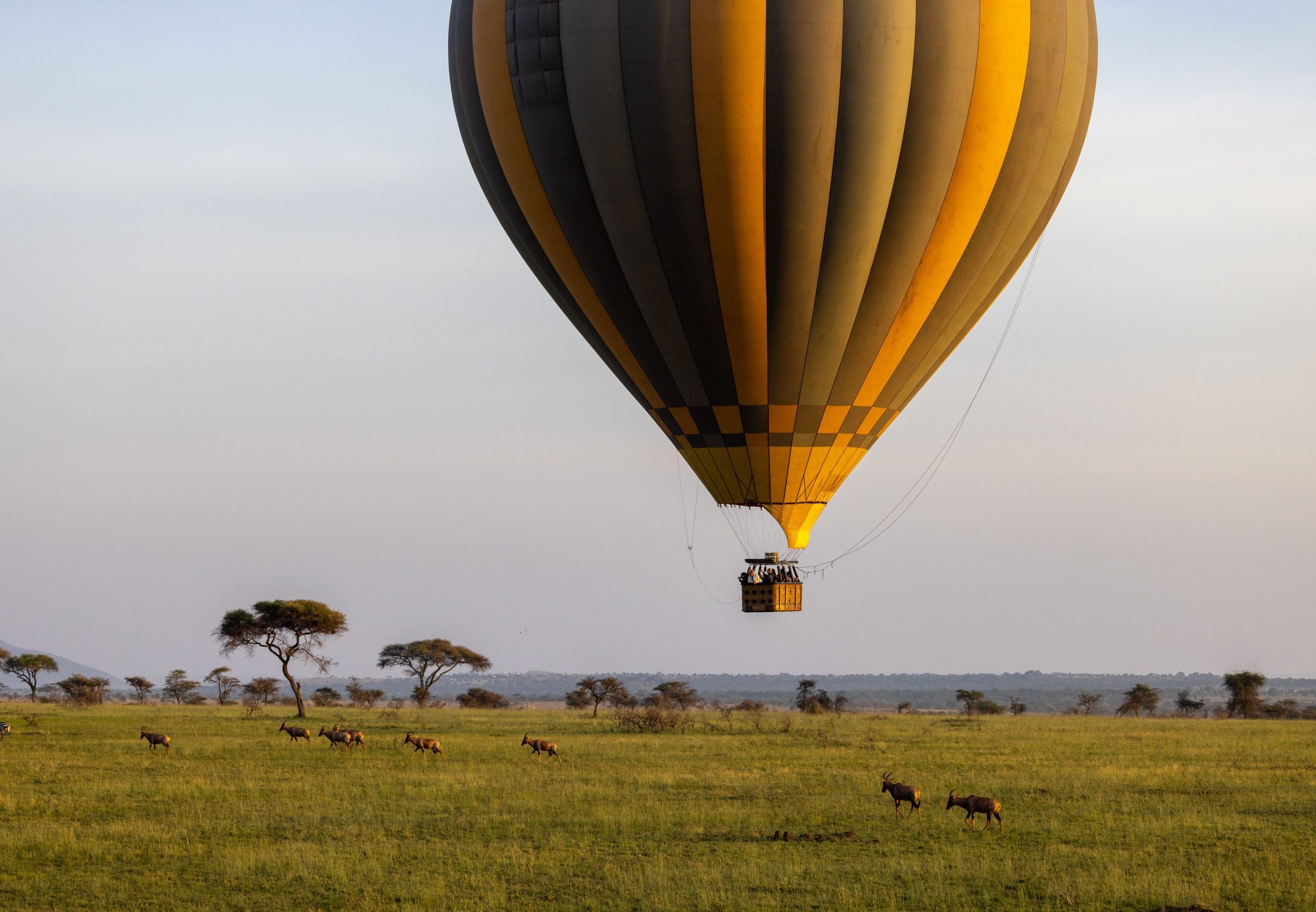
The Cost Of Kenya Safari
Kenya is one of Africa’s most famous safari destinations, offering everything from affordable group camping adventures to exclusive luxury experiences in private conservancies. But one of the first questions travellers ask when planning a trip is: How much does a Kenya safari cost in 2026?
The answer depends on several factors, including the type of accommodation, number of safari days, season, parks visited, transportation, group size and whether you choose a shared or private safari.
For 2026, a realistic land-based Kenya safari generally ranges from about US$150–$300 per person per day for budget travel, US$250–$600 for mid-range safaris, and US$600–$1,500+ for luxury safaris. Exceptional ultra-luxury camps and exclusive-use experiences can cost considerably more.
Kenya Wildlife Service also notes that safari costs vary significantly according to safari type and itinerary length, with accommodation, meals, game drives and park fees forming major components of the overall price.
Kenya Safari Prices at a Glance
| Safari Category | Approx. Cost Per Person/Day | Typical 5-Day Cost | Typical 7-Day Cost |
|---|---|---|---|
| Budget Safari | US$150–$300 | US$750–$1,500 | US$1,050–$2,100 |
| Mid-Range Safari | US$250–$600 | US$1,250–$3,000 | US$1,750–$4,200 |
| Luxury Safari | US$600–$1,500+ | US$3,000–$7,500+ | US$4,200–$10,500+ |
| Ultra-Luxury | US$1,200–$3,000+ | US$6,000–$15,000+ | US$8,400–$21,000+ |
These are indicative 2026 ranges per person sharing, rather than fixed prices. Actual quotations can be lower or higher depending on dates, accommodation and itinerary. Published 2026 safari pricing shows similarly wide ranges, particularly between road safaris and luxury fly-in or private-conservancy experiences.
1. Budget Kenya Safari – US$150–$300 Per Person Per Day
A budget safari is the most affordable way to experience Kenya’s wildlife while still enjoying the major national parks and reserves. Budget does not necessarily mean a poor safari experience. In many cases, you can still see lions, elephants, giraffes, cheetahs, buffalo, rhinos and other wildlife. The main compromises are usually accommodation, vehicle type, privacy and flexibility. A typical budget safari may use a shared safari vehicle, basic lodge or permanent tented camp, and a more structured itinerary.
What You Can Expect
A budget safari normally includes:
- Basic or comfortable budget accommodation
- Breakfast, lunch and dinner
- Shared safari vehicle
- Professional driver-guide
- Game drives
- Park or reserve entry fees
- Drinking water during safari
- Road transportation between destinations
Some operators offer budget camping safaris, while others use simple lodges or permanent tented camps. For example, current 2026 published prices put budget/camping safaris broadly around US$180–$250 per person per day, while broader market estimates can reach approximately US$300 depending on the itinerary and inclusions.
Advantages of a Budget Safari
1. Affordable
The biggest advantage is obvious: you can experience Kenya’s famous wildlife without spending thousands of dollars.
This makes budget safaris particularly attractive to:
- Students
- Backpackers
- Young travellers
- Families working with a limited budget
- First-time African travellers
- Travellers staying longer in Kenya
2. Great Wildlife Experience
The animals do not know whether you paid US$200 or US$1,000 per night. A budget traveller can still enjoy spectacular wildlife viewing in destinations such as:
- Maasai Mara National Reserve
- Amboseli National Park
- Lake Nakuru National Park
- Tsavo East National Park
- Tsavo West National Park
- Ol Pejeta Conservancy
3. Good for Group Travellers
Joining a group allows the cost of the vehicle, guide and transportation to be shared among several travellers. This can significantly reduce the per-person price. Some 2026 safari operators specifically note that travelling as a group of four to six can substantially reduce individual costs compared with travelling as a couple.
4. More Money for Other Activities
Choosing a budget safari can leave more money available for:
- Beach holidays in Diani
- Nairobi attractions
- Cultural experiences
- Shopping
- Additional safari days
- Hot-air balloon rides
- Domestic flights
Disadvantages of a Budget Safari
1. Less Privacy
You will usually share your vehicle with other travellers.
This means you may not always be able to decide exactly where to go or how long to stay at a particular wildlife sighting.
2. Basic Accommodation
Budget camps and lodges generally provide fewer amenities than luxury properties.
You may have:
- Smaller rooms
- Simpler furnishings
- Fewer facilities
- Basic dining
- Less elaborate service
3. Less Flexibility
Group safaris normally follow a predetermined itinerary. If you want to spend two hours watching a pride of lions, another traveller may prefer to continue.
4. Longer Road Journeys
Budget safaris usually rely heavily on road transportation rather than flying between parks. This can mean several hours on the road between destinations.
Who Should Choose a Budget Safari?
A budget safari is ideal for travellers who prioritize wildlife and adventure over luxury accommodation.
If your attitude is:
“I want to spend my money on seeing Kenya rather than sleeping in an expensive room.”
then a budget safari may be the perfect choice.
2. Mid-Range Kenya Safari – US$250–$600 Per Person Per Day
For many travellers, the mid-range safari offers the best balance between price, comfort and experience. You get significantly better accommodation and more flexibility without entering the high prices associated with luxury safari camps. Current 2026 market estimates commonly place mid-range safaris around US$250–$600 per person per day, although the exact price varies substantially with accommodation and season. A private seven-day mid-range safari can start around the US$2,000-per-person level with some operators, while more premium mid-range itineraries can cost considerably more.
What You Can Expect
A mid-range safari may include:
- Comfortable lodges or quality tented camps
- En-suite accommodation
- Full-board meals
- Private 4×4 safari vehicle
- Professional English-speaking guide
- Flexible game drives
- Park entry fees
- Drinking water
- Airport transfers
- Road transportation
- Sometimes additional medical evacuation cover
The exact inclusions depend on the operator and package.
Advantages of a Mid-Range Safari
1. Excellent Value for Money
This is arguably the biggest advantage.
You don’t have to sacrifice comfort to keep your safari affordable.
You can enjoy comfortable accommodation while still spending most of your time exploring the parks.
2. Private Safari Experience
Many mid-range packages use a private safari vehicle.
This means your guide can tailor the safari to your interests.
For example, if you are interested in photography, you can spend more time at wildlife sightings instead of following a group schedule.
3. Better Accommodation
Mid-range properties generally offer:
- Comfortable beds
- En-suite bathrooms
- Hot showers
- Quality meals
- More attractive locations
- Better service
- More comfortable common areas
4. More Flexibility
A private safari allows you to decide, within practical limits:
- When to leave camp
- How long to stay on a game drive
- Which animals to prioritize
- Where to stop for photography
- Whether to have a picnic lunch
5. Suitable for Families and Couples
Mid-range safaris are particularly popular with:
- Couples
- Families
- Honeymooners on a moderate budget
- First-time safari travellers
- Photographers
- Small groups
Disadvantages of a Mid-Range Safari
1. More Expensive Than Group Safaris
If you are travelling alone or as a couple, a private vehicle can substantially increase the cost.
2. Not the Same Level of Exclusivity as Luxury
You may stay in very comfortable properties, but they generally won’t offer the same level of personalized service as Kenya’s top luxury camps.
3. Some Properties Are Far From Premium Locations
A lower-priced lodge may be outside a reserve or farther from a particular wildlife area, increasing the amount of driving required to reach prime game-viewing areas.
Who Should Choose a Mid-Range Safari?
For most first-time visitors, mid-range is the category I would recommend if the budget allows it.
It provides a very strong combination of:
Comfort + privacy + wildlife + flexibility + reasonable cost.
3. Luxury Kenya Safari – US$600–$1,500+ Per Person Per Day
Luxury safaris are designed for travellers who want the safari experience to be as memorable outside the vehicle as it is inside it. Instead of simply providing a place to sleep, luxury camps and lodges become an important part of the experience. Current 2026 market estimates put luxury safaris broadly around US$600–$1,500+ per person per day, while certain premium camps and ultra-luxury properties can exceed US$2,000 or even US$3,000 per person per night.
What You Can Expect
Luxury safari packages may include:
- High-end tented camps or luxury lodges
- Gourmet meals
- Premium drinks
- Private safari vehicle
- Highly experienced private guide
- Private conservancy access
- Exclusive game drives
- Bush breakfasts
- Bush dinners
- Sundowners
- Walking safaris where permitted
- Cultural experiences
- Spa treatments
- Laundry services
- Domestic flights
- Personalized service
Some luxury itineraries use small aircraft to fly between safari destinations, significantly reducing travel time.
Advantages of a Luxury Safari
1. Exceptional Accommodation
Luxury safari camps can provide an extraordinary combination of comfort and wilderness. You may sleep in a beautifully furnished tent with:
- King-size beds
- Large bathrooms
- Hot showers
- Private decks
- Scenic views
- Private plunge pools
- Butler-style service
2. Private and Personalized Experience
Luxury safaris often provide a private guide and vehicle. Your safari can therefore be built around your interests. A wildlife photographer, for example, can spend much longer at a sighting than a traveller who simply wants to see as many animals as possible.
3. Access to Private Conservancies
One of the major advantages of some luxury safari camps is access to private conservancies. These can offer experiences that may be more difficult to obtain inside busy national reserves, including walking safaris and certain night-game-drive experiences where permitted.
4. Less Time on the Road
Luxury itineraries often use domestic flights between destinations. Instead of spending an entire day travelling from one park to another by road, you can fly directly into or near your next safari camp.
5. Exceptional Food and Service
Food is another major difference. Luxury safari camps often provide high-quality meals, personalized dining experiences and memorable bush breakfasts or dinners.
Disadvantages of a Luxury Safari
1. High Cost
The biggest disadvantage is the price. A seven-day luxury safari can easily cost several thousand dollars per person, while ultra-luxury itineraries can reach five figures.
2. Diminishing Returns
The wildlife experience itself may not be dramatically better than a good mid-range safari. You may still see the same lion, elephant or cheetah.
Much of the additional money pays for:
- Accommodation
- Privacy
- Service
- Food
- Exclusivity
- Conservancy access
- Flights
- Convenience
3. Less Suitable for Budget-Conscious Travellers
If your priority is seeing as much of Kenya as possible, spending US$1,000+ per day on accommodation may not represent the best use of your budget.
Who Should Choose a Luxury Safari?
Luxury safaris are ideal for:
- Honeymooners
- Anniversaries
- Special celebrations
- High-end travellers
- Luxury travellers
- Wildlife photographers
- Travellers seeking privacy
- Families wanting premium service
4. Ultra-Luxury Kenya Safari – US$1,200–$3,000+ Per Person Per Day
At the top of the market is the ultra-luxury safari.
This is less about simply going on safari and more about experiencing exclusive Kenya in exceptional comfort. Some top-tier conservancy camps can charge US$3,000+ per person per night, particularly for exclusive accommodation and highly personalized experiences.
Experiences can include:
- Private aircraft transfers
- Exclusive-use villas
- Private guides
- Dedicated safari vehicles
- Personal butler service
- Gourmet private dining
- Private bush experiences
- Exclusive conservancy access
- Helicopter experiences
- Spa and wellness services
Advantages
- Maximum privacy
- Exceptional service
- Highly personalized itineraries
- Premium accommodation
- Minimal road travel
- Exclusive experiences
- Excellent guiding
Disadvantages
- Extremely expensive
- Not necessary to enjoy excellent wildlife viewing
- Limited value for travellers primarily interested in wildlife rather than luxury
- Can cost several times more than a high-quality mid-range safari
For most travellers, this level is a special-occasion experience rather than a necessity.
What Actually Determines the Cost of a Kenya Safari?
Understanding the price factors helps you compare safari quotations correctly.
1. Accommodation
Accommodation is usually one of the biggest differences between safari packages. A simple tented camp may cost a fraction of a high-end private conservancy camp. This is why two operators can quote very different prices for apparently similar itineraries.
2. Season
Kenya has high, shoulder and low/green seasons.
Peak Season
Generally, July to October is one of the most expensive periods, especially around the Great Migration. December holidays can also attract premium rates.
Lower-Season / Value Periods
January–March and some periods in November can offer better value, depending on the destination and accommodation. Some 2026 safari operators identify January–March and November as particularly attractive value periods. However, lower season does not mean poor wildlife viewing. Kenya remains an excellent wildlife destination throughout much of the year.
3. Number of Travellers
This is a very important factor. A vehicle and guide have relatively fixed costs. If two people share those costs, the price per person can be considerably higher than when four or six people share the same vehicle. For example:
2 travellers: higher cost per person
4 travellers: lower cost per person
6 travellers: potentially even lower cost per person
This is one reason group safaris are attractive to budget travellers.
4. Private Vehicle vs Shared Vehicle
A shared safari vehicle is cheaper because several travellers contribute toward the vehicle and guide costs. A private vehicle costs more but gives you:
- Greater flexibility
- More privacy
- Better photography opportunities
- Personalized game drives
- More control over your schedule
For photographers and serious wildlife enthusiasts, the additional cost of a private vehicle can be worthwhile.
5. Road Safari vs Fly-In Safari
Road safaris are generally more affordable. Fly-in safaris cost more because of domestic aircraft transfers, airport logistics and premium camps. However, flying has a major advantage which is it saves time. Instead of spending several hours driving between Nairobi and a safari destination, you can often fly directly to an airstrip near your camp.
6. Park and Conservancy Fees
Park entry fees are an important component of safari costs. On package tours, Kenya Wildlife Service states that the operator normally incorporates park entry fees into the overall safari price. Travellers should therefore ask:
“Are park fees included in the quoted safari price?”
Never assume. A low quotation may appear attractive simply because major fees have been excluded.
7. The Destination
Different destinations have different accommodation and access costs. Popular safari destinations include:
Maasai Mara
Best known for:
- Big cats
- Wildebeest migration
- Excellent year-round wildlife
- Scenic grasslands
Amboseli
Famous for:
- Large elephant herds
- Views of Mount Kilimanjaro
- Open savannah
Lake Nakuru
Known for:
- Rhinoceros
- Birdlife
- Scenic landscapes
Ol Pejeta Conservancy
Known for:
- Rhinos
- Chimpanzee sanctuary
- Wildlife conservation experiences
Tsavo East & Tsavo West
Known for:
- Vast wilderness
- Elephants
- Diverse landscapes
- Excellent value compared with some premium safari destinations
Additional Costs to Budget For
The advertised safari price isn’t necessarily your entire Kenya holiday budget. You should also consider:
International Flights
Flights to Nairobi are normally separate from the safari package.
Kenya Entry Requirements
Travellers should check the current entry requirements applicable to their nationality before travelling.
Travel Insurance
Strongly recommended.
Tips
Budget for tipping your guide and camp staff.
Drinks
Some budget and mid-range packages include drinking water but exclude alcoholic drinks and premium beverages.
Hot-Air Balloon Safari
A hot-air balloon experience in the Maasai Mara is an optional premium activity and is normally charged separately.
Cultural Experiences
Maasai village visits and other cultural experiences may involve additional fees.
Domestic Flights
If your itinerary involves flying between parks, confirm whether the flights are included.
Example 2026 Safari Budgets
Here are practical examples for travellers planning their budgets.
3-Day Budget Safari
Approximate cost: US$450–$900 per person
Possible itinerary:
Nairobi → Maasai Mara → Nairobi
Suitable for travellers with limited time.
5-Day Mid-Range Safari
Approximate cost: US$1,500–$3,000 per person
Possible itinerary:
Nairobi → Maasai Mara → Lake Nakuru → Nairobi
This provides a good combination of wildlife, comfort and value.
7-Day Mid-Range Safari
Approximate cost: US$1,750–$4,200 per person
Possible itinerary:
Nairobi → Maasai Mara → Lake Nakuru → Amboseli → Nairobi
This is a strong option for first-time visitors who want to experience several of Kenya’s major wildlife destinations.
7-Day Luxury Safari
Approximate cost: US$4,200–$10,500+ per person
Possible itinerary:
Nairobi → Maasai Mara → Amboseli → private conservancy
This style emphasizes premium accommodation, private guiding and convenience. These examples are planning ranges rather than fixed quotations because accommodation rates, seasonality and park fees can change the final price. Published 2026 market examples show similar ranges across budget, mid-range and luxury categories.
Budget vs Mid-Range vs Luxury: Which Is Best?
| Feature | Budget | Mid-Range | Luxury |
|---|---|---|---|
| Price | ⭐⭐⭐⭐⭐ | ⭐⭐⭐ | ⭐ |
| Accommodation | ⭐⭐ | ⭐⭐⭐⭐ | ⭐⭐⭐⭐⭐ |
| Privacy | ⭐⭐ | ⭐⭐⭐⭐ | ⭐⭐⭐⭐⭐ |
| Flexibility | ⭐⭐ | ⭐⭐⭐⭐ | ⭐⭐⭐⭐⭐ |
| Food | ⭐⭐⭐ | ⭐⭐⭐⭐ | ⭐⭐⭐⭐⭐ |
| Wildlife viewing | ⭐⭐⭐⭐ | ⭐⭐⭐⭐⭐ | ⭐⭐⭐⭐⭐ |
| Comfort | ⭐⭐ | ⭐⭐⭐⭐ | ⭐⭐⭐⭐⭐ |
| Road travel | High | Moderate | Low–Moderate |
| Private vehicle | Sometimes | Usually | Usually |
| Conservancy access | Limited | Sometimes | Often |
| Best for | Budget travellers | Most travellers | Luxury/special occasions |
How to Save Money on a Kenya Safari
You don’t necessarily need to choose a very cheap safari to save money.
Here are some of the smartest strategies.
Travel During Shoulder or Green Season
Prices can be considerably lower outside peak periods.
Travel as a Small Group
Four to six travellers sharing a private vehicle can provide an excellent balance between cost and flexibility.
Choose Road Travel
Road safaris are generally cheaper than fly-in safaris.
Mix Accommodation Levels
You could spend two nights in a premium camp and the rest in good mid-range accommodation. This gives you a taste of luxury without paying luxury prices throughout the trip.
Stay Longer
Longer itineraries can sometimes reduce the average daily cost because fixed vehicle and guide expenses are spread across more days.
Compare Inclusions, Not Just Prices
A US$1,500 quotation may actually be better value than a US$1,200 quotation if the first includes:
- Park fees
- Private vehicle
- Better accommodation
- Meals
- Airport transfers
- Drinking water
- Domestic flights
Always compare what is included.
Is a Cheap Kenya Safari Worth It?
Yes — provided you understand what you are buying. A low-cost safari can provide an incredible wildlife experience. However, be cautious about quotations that appear far below the normal market range.
Ask:
- Is accommodation included?
- Are park fees included?
- Is transportation included?
- Is the vehicle shared or private?
- How many people will be in the vehicle?
- Is the vehicle a 4×4 Land Cruiser or a safari van?
- Is the guide included?
- Are meals included?
- Are airport transfers included?
- Are there additional compulsory charges?
A transparent quotation is much more important than simply finding the cheapest price.
What Is the Best Kenya Safari Budget for 2026?
For travellers who want a balance of quality and affordability, I would recommend planning around:
Budget Traveller
US$150–$300 per person per day
Good wildlife experience with basic accommodation and shared transportation.
Comfortable Traveller
US$250–$600 per person per day Excellent balance of accommodation, privacy and wildlife experience.
Luxury Traveller
US$600–$1,500+ per person per day
Premium accommodation, private guiding, enhanced service and potentially fly-in travel.
Ultra-Luxury Traveller
US$1,200–$3,000+ per person per day Exclusive camps, private experiences, premium conservancies and highly personalized service.
Final Verdict: Which Kenya Safari Should You Choose?
There is no single “best” Kenya safari.
It depends on what matters most to you.
Choose Budget if your priority is seeing Kenya’s wildlife while keeping costs low.
Choose Mid-Range if you want the best overall balance of comfort, privacy, flexibility and price.
Choose Luxury if accommodation, personalized service, exclusivity and convenience are important parts of your holiday.
Choose Ultra-Luxury if you are celebrating a major occasion or simply want the finest safari experience money can buy.
For most first-time visitors, however, a well-planned mid-range private safari offers some of the best value in Kenya. You can stay in comfortable lodges and tented camps, travel in a private safari vehicle, have an experienced guide and still spend your money primarily on the wildlife experience rather than unnecessary luxury.
The most important thing is not simply to ask, “How much does a Kenya safari cost?”
Instead, ask:
“What experience am I getting for my money, and what is included in the price?”
That is the best way to compare safari operators and choose the right Kenya safari for your budget.
Please Note: All prices in this guide are indicative 2026 planning ranges in US dollars, generally based on per-person sharing. Actual rates vary according to travel dates, accommodation, group size, park fees, exchange rates, vehicle type and inclusions. Kenya Wildlife Service confirms that safari costs vary by safari type and itinerary length, and that package-tour operators can include park fees in the overall safari price.